


By Benson Daniel
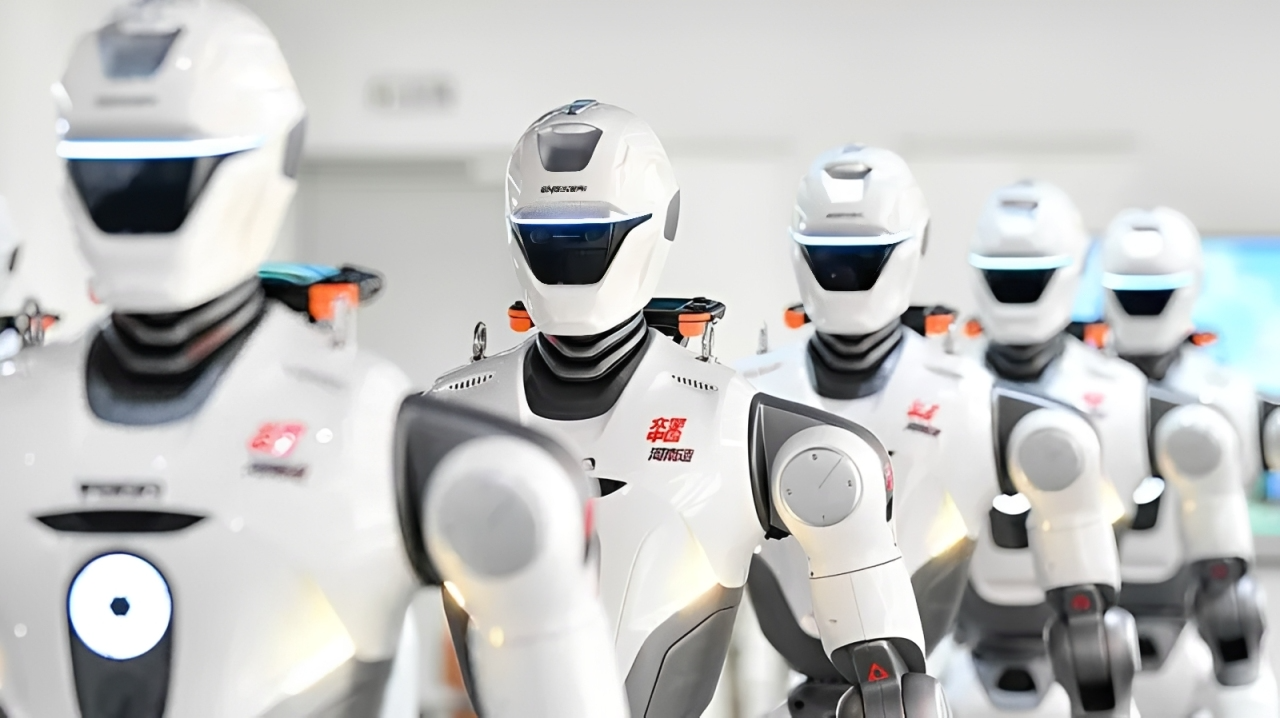
The administration of U.S. President Donald Trump has announced a ban on the acquisition of new Chinese-made humanoid robots by federal government agencies, citing national security concerns and the need to protect sensitive government data and critical infrastructure.
The policy is part of broader efforts by the United States to reduce its reliance on Chinese technology in sectors considered strategically important, including artificial intelligence, robotics, telecommunications, and advanced manufacturing. Officials argue that restricting the use of foreign-developed robotic systems will help safeguard government operations from potential cybersecurity and intelligence risks.
According to U.S. officials, the directive targets newly procured humanoid robots manufactured by Chinese companies for government applications. Agencies will be required to source alternative technologies that meet national security standards and comply with federal procurement guidelines.
The move comes as humanoid robots become increasingly capable of performing tasks in logistics, manufacturing, healthcare, research, and public services. Advances in artificial intelligence have accelerated global competition in robotics, with Chinese firms emerging among the world’s leading developers of intelligent robotic systems.
Industry analysts believe the decision reflects the intensifying technological rivalry between the United States and China. In recent years, both countries have introduced a series of trade restrictions and investment controls covering semiconductors, artificial intelligence, telecommunications equipment, and other advanced technologies viewed as critical to economic and national security.
Experts warn that while the restrictions may strengthen domestic technology development and reduce security risks, they could also increase procurement costs for government agencies and further deepen divisions in global technology supply chains. Companies operating internationally may also face greater compliance requirements as governments adopt stricter rules on sourcing advanced technologies.
The latest policy underscores the growing importance of robotics and artificial intelligence in global economic and strategic competition, with governments increasingly balancing innovation, national security, and international trade considerations in shaping technology policies









Leave a comment