


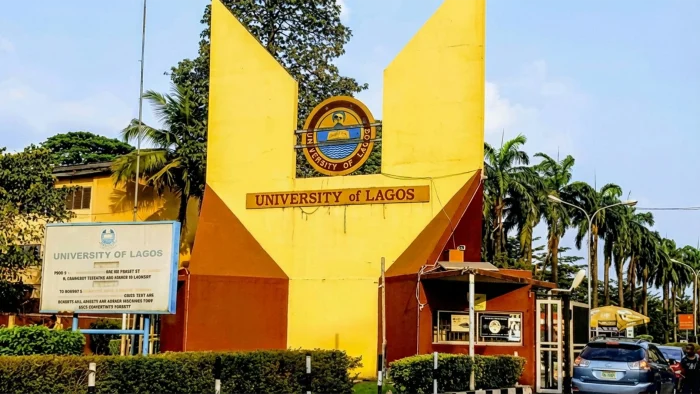
A three-year research effort has been launched in Lagos to tackle the growing threat of extreme heat on public health, with 10 communities selected as focal points for the study.
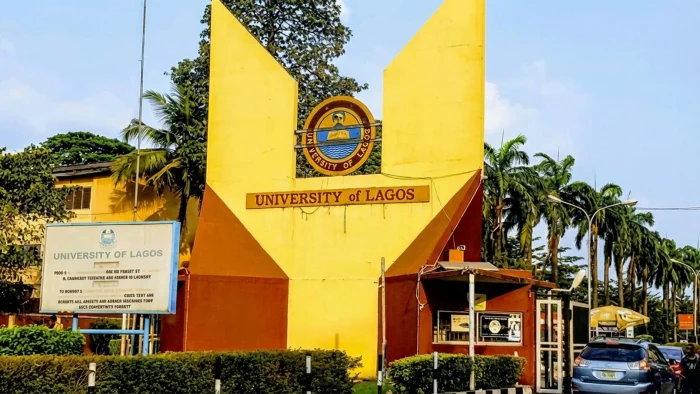
The project, titled Active Lives in Hot Spots (Hotsteppers), is a collaboration between the University of Lagos and the University of Cambridge, alongside key stakeholders including the Lagos State Government, the Lagos Metropolitan Area Transportation Authority (LAMATA), and the Lagos Urban Development Initiative (LUDI). It is funded by the Wellcome Trust.
Led by Professor Tolullah Oni of Cambridge and co-led by Professor Peter Elias of UNILAG, the initiative aims to generate data that will shape policies on climate, health, and urban planning. The study will focus on how rising temperatures affect residents’ health and mobility, especially those dependent on public transport, while also identifying affordable cooling solutions.
Speaking at a stakeholders’ workshop, Oni emphasized the need for evidence-based policymaking, noting that although many residents perceive increasing heat, there is limited data linking it to hospital admissions, mortality, and reduced productivity. Findings from the research will support LAMATA’s transport planning and contribute to the Lagos State Health and Climate Plan.
Elias highlighted that, unlike flooding and air pollution, heat-related risks have received limited attention in Lagos’ climate response strategies. He expressed optimism that the study would deepen understanding of the economic and health impacts of extreme heat.
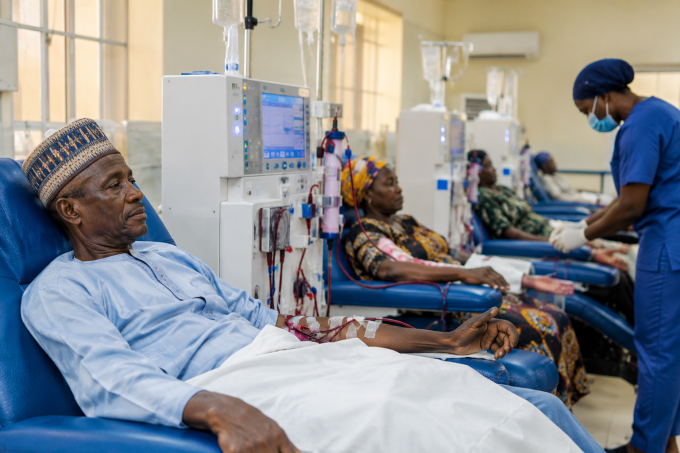
Experts at the workshop pointed out that heat-related illnesses are often underreported due to their gradual onset. Environmental health specialist Barbara Rubiell warned that prolonged exposure can worsen chronic conditions such as hypertension and asthma, even when the link is not immediately obvious.
LAMATA’s Technical Adviser, Obafemi Shitta-Bay, noted that the agency is updating its transport master plan and expanding electric bus usage to improve sustainability. Meanwhile, the Lagos State Government signaled its readiness to integrate the study’s findings into its broader climate resilience framework.
Special Adviser to the Governor on Climate Change, Titilayo Oshodi, called for alignment between the research team and existing government programmes to ensure long-term impact.
The workshop followed a three-day media training for journalists and content creators on reporting climate and urban health issues. Participants stressed the urgency of collaboration among government, researchers, and communities to strengthen awareness and response to heat-related risks.
Experts also revealed that nearly 40 percent of daily trips in Lagos are made on foot or by bicycle, exposing a large segment of the population especially outdoor workers, the elderly, pregnant women, and those with chronic illnesses to dangerous heat conditions.
Source: The Guardian NG










Leave a comment