


By Benson Daniel
Fibroids are among the most common reproductive health conditions affecting women of childbearing age, yet they remain surrounded by widespread misconceptions that often create unnecessary fear, anxiety and stigma. While many women believe that a diagnosis of fibroids automatically means infertility, medical experts insist that this is far from the truth.
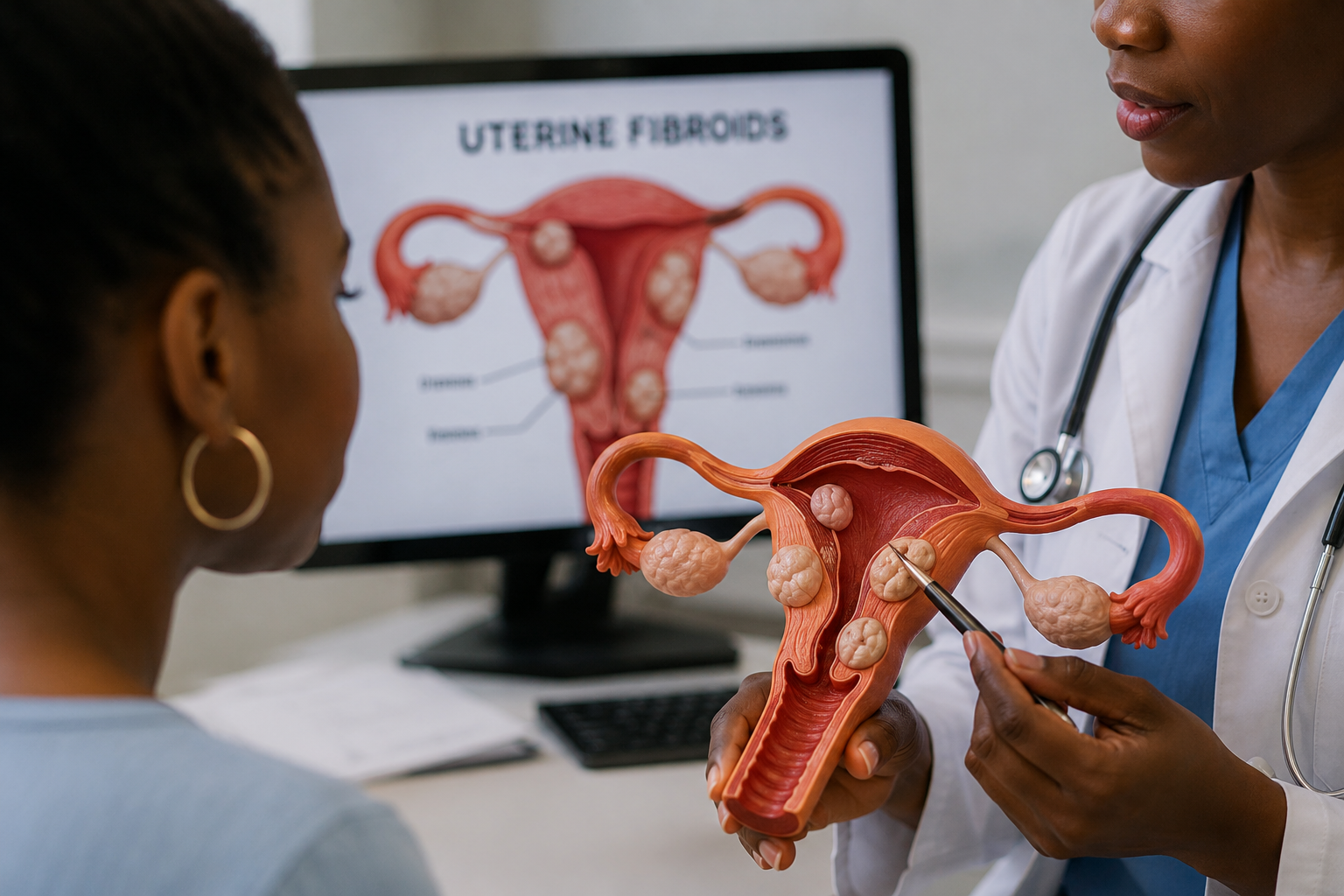
Fibroids, medically known as uterine leiomyomas, are non cancerous growths that develop in or around the uterus. They vary in size, number and location, with many women living for years without experiencing symptoms. In many cases, fibroids are discovered during routine medical examinations or pregnancy scans.
According to gynecologists, the relationship between fibroids and fertility depends largely on the size, number and location of the tumors rather than simply their presence. Many women with fibroids conceive naturally, carry healthy pregnancies and deliver safely without complications.
Experts explain that fibroids located within the uterine cavity, known as submucosal fibroids, are more likely to interfere with fertility because they can distort the uterus, affect embryo implantation or increase the risk of miscarriage. Larger fibroids embedded in the uterine wall may also affect pregnancy in some cases. However, fibroids growing on the outer surface of the uterus usually have little or no impact on a woman’s ability to conceive.
One of the most common social myths is that every woman with fibroids must undergo surgery before attempting pregnancy. Medical professionals caution against this assumption, stressing that treatment should be based on individual medical evaluation rather than fear or public opinion. Some women may benefit from surgery, while others can safely monitor their condition without any intervention.











Leave a comment