


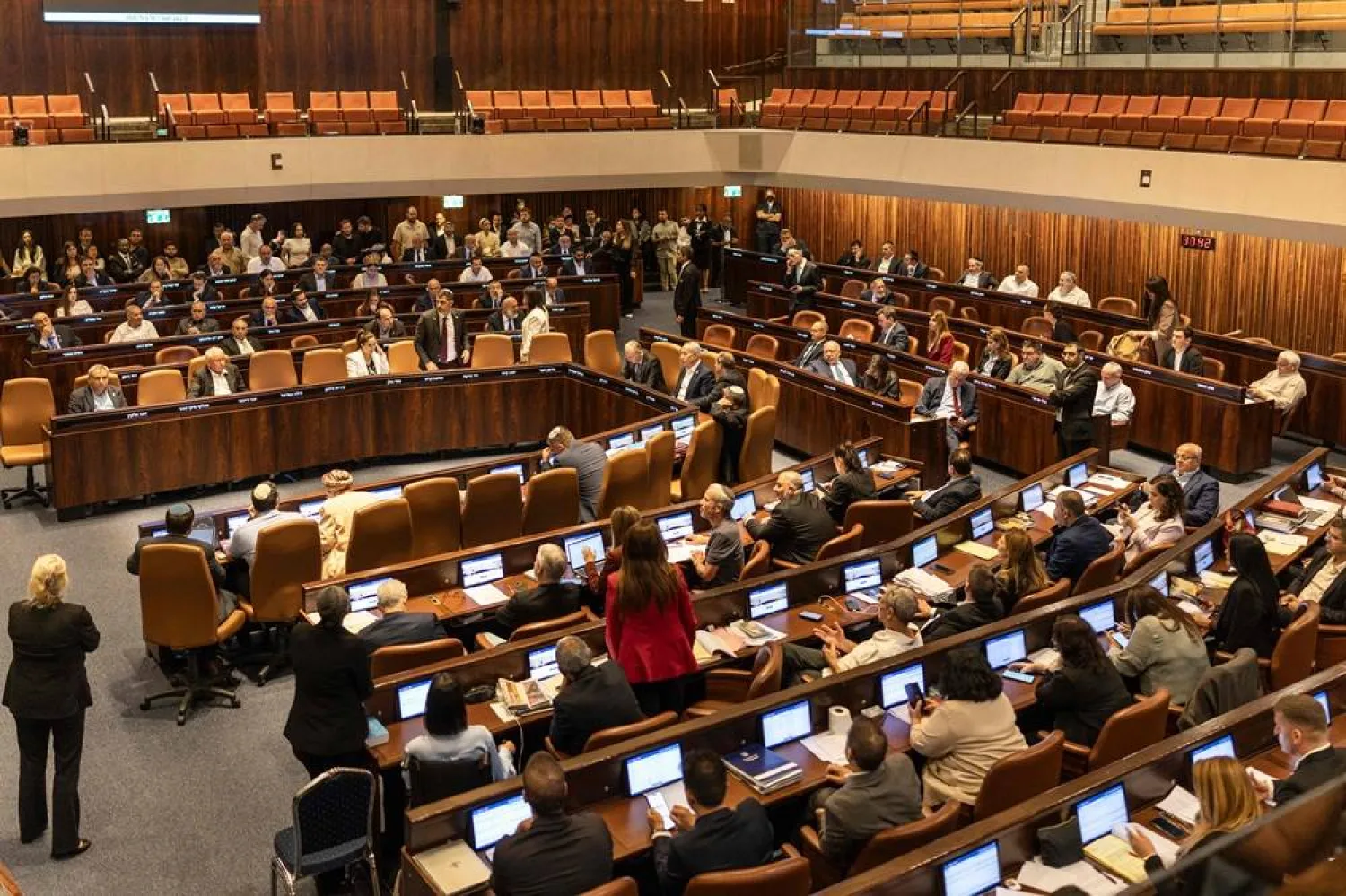
Israel’s parliament, the Knesset, has officially dissolved, paving the way for a national election on October 27 as Prime Minister Benjamin Netanyahu prepares to seek another term in office amid growing political and security challenges.
The dissolution followed a marathon parliamentary session in which lawmakers passed several contentious bills before the legislature entered its summer recess. The move marks the end of Netanyahu’s current governing coalition, which became the first Israeli government in decades to complete a full four year term.
The election will be Israel’s first since the October 7, 2023 Hamas attack, which triggered the ongoing war in Gaza and reshaped the country’s political landscape. Recent opinion polls suggest opposition parties, led by former Prime Minister Naftali Bennett and former military chief Gadi Eisenkot, have gained momentum ahead of the vote.
Before dissolving, the Knesset approved a series of controversial measures, including legislation affecting military service exemptions for ultra Orthodox Jewish men and reforms to the powers of the attorney general and broadcast media regulation. The bills have drawn criticism from opposition lawmakers and civil society groups, who argue they could weaken democratic oversight and deepen political divisions.
Netanyahu, Israel’s longest serving prime minister, is expected to campaign on his national security record, while opposition leaders are focusing on the government’s handling of the Gaza war, the economy and judicial reforms. Political analysts say coalition building after the election is likely to be challenging, given Israel’s fragmented parliamentary system.
The October election is expected to play a significant role in shaping Israel’s domestic policies and its approach to regional security, as the country continues to navigate conflicts in Gaza and broader tensions across the Middle East.









Leave a comment