


By Benson Daniel
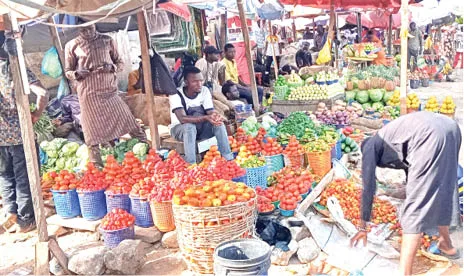
Despite Nigeria’s latest decline in headline inflation, millions of households are yet to experience relief as food prices remain stubbornly high, deepening concerns over the rising cost of living and weakening purchasing power across the country.
The Organised Private Sector (OPS) has warned that while the moderation in inflation is a positive signal for the economy, it has not translated into lower prices of essential food items. According to the group, many Nigerians continue to struggle with the soaring cost of staples such as rice, beans, garri, yam, cooking oil and other basic commodities, making it increasingly difficult for families to meet their daily nutritional needs.
The OPS attributed the persistent food inflation to multiple structural challenges, including high transportation costs driven by expensive fuel, insecurity in farming communities, poor road infrastructure, post harvest losses, exchange rate volatility and the rising cost of agricultural inputs. These factors, it noted, continue to push up production and distribution costs despite the overall slowdown in inflation.
Business leaders also expressed concern that many manufacturers and food processors are still grappling with high energy costs, multiple taxes and limited access to affordable financing, forcing businesses to transfer the additional costs to consumers.
The group urged the Federal Government to move beyond monetary measures by implementing policies that will improve agricultural productivity, secure farming communities, rehabilitate transport infrastructure and strengthen food supply chains. It also called for greater support for local farmers and agro processors to boost domestic food production and reduce dependence on imports.
Economic experts say Nigeria’s inflation figures will have little impact on the welfare of citizens unless food prices begin to decline significantly. They stressed that restoring affordability remains critical to improving living standards, reducing poverty and sustaining consumer confidence as the country pursues broader economic reforms.










Leave a comment