


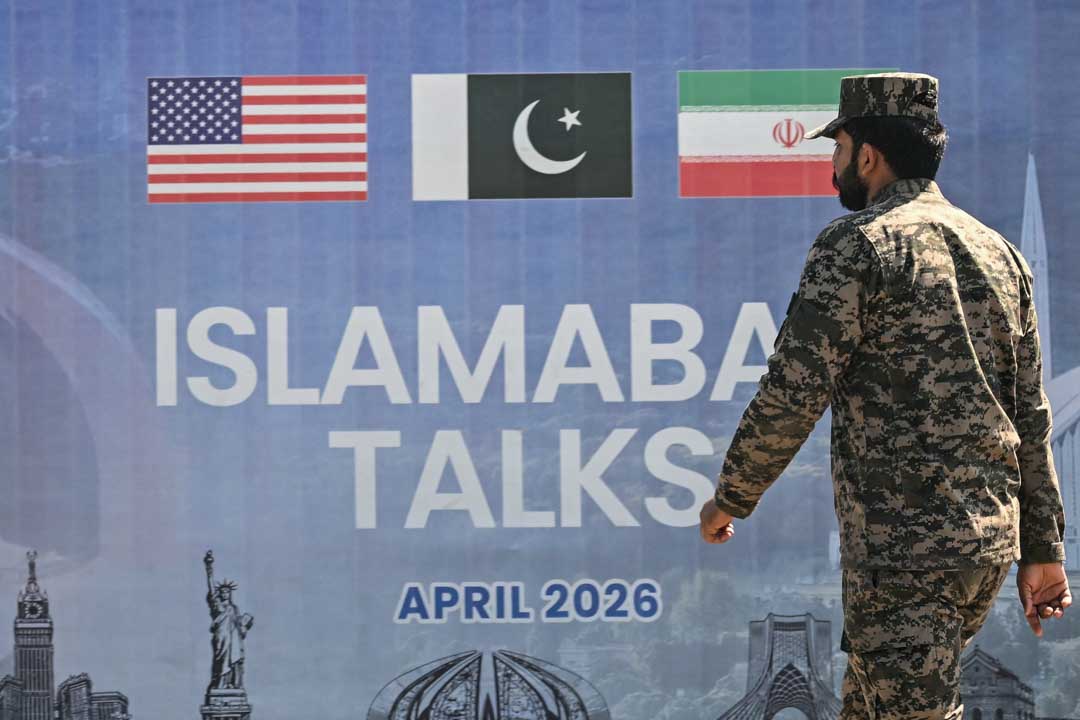
Pakistan is increasingly concerned about being drawn into the escalating conflict between the United States and Iran following a Houthi missile attack on Saudi Arabia, with officials warning that a wider regional war could have serious security and economic consequences for the country.
Pakistani officials are closely monitoring developments after Yemen’s Iran aligned Houthi movement launched attacks on targets in Saudi Arabia, raising fears that the conflict could spread further across the Middle East. Islamabad has called for restraint and urged all parties to pursue diplomatic solutions to prevent further escalation.
Government officials said Pakistan’s primary concern is that a prolonged confrontation between Washington and Tehran could destabilise the wider region, disrupt vital energy supplies and threaten the safety of millions of Pakistani nationals living and working in Gulf countries. The government is also assessing the potential impact on trade, oil imports and maritime security.
Pakistan shares a long border with Iran and has traditionally sought to maintain balanced relations with both Tehran and Washington. Officials have reiterated that the country will not become part of any military alliance or conflict, stressing that its priority remains regional stability and the protection of national interests.
Analysts say any sustained fighting involving Iran, the United States and regional proxy groups could increase pressure on neighbouring countries, including Pakistan, through refugee movements, security challenges and rising energy costs. The conflict has already heightened concerns over the security of key shipping routes used for global oil exports.
The latest tensions come as international leaders continue to urge restraint, warning that further military escalation could trigger a broader regional conflict with far reaching humanitarian, economic and geopolitical consequences.








Leave a comment