


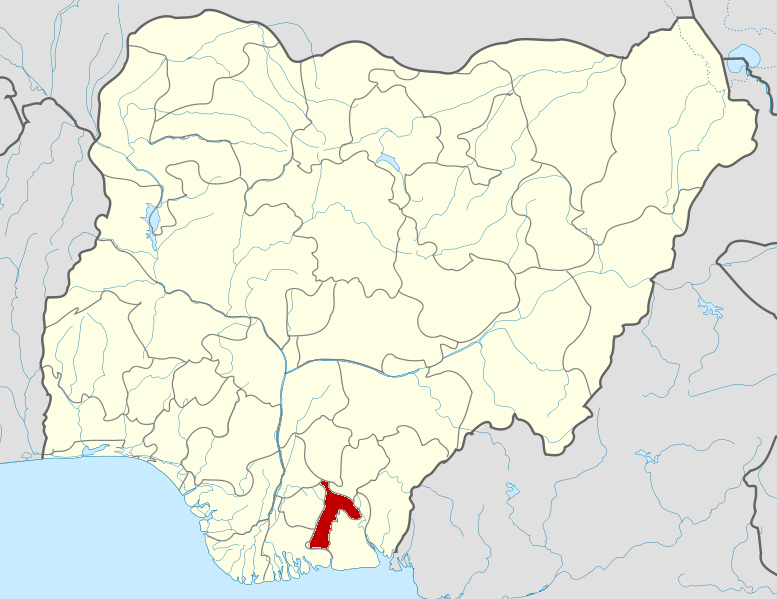
The Abia State Ministry of Agriculture has commenced a four-day capacity-building programme for Ward Agricultural Coordinators and extension personnel as part of efforts to strengthen grassroots agricultural development and improve farm productivity across the state.
The training, which began on Tuesday, is being organised in collaboration with the Agribusiness Incubation Centre of the Michael Okpara University of Agriculture, Umudike (MOUAU).
Held under the theme, “Strengthening Grassroots Agricultural Coordination for Sustainable Agricultural Development,” the programme focuses on modern agricultural techniques, agribusiness, pest management and the responsibilities of ward coordinators in supporting farmers and monitoring agricultural interventions.
Strengthening Grassroots Extension Services
Declaring the training open, the Commissioner for Agriculture, Dr Cliff Agbaeze, represented by Dr Stephanie Ariwodo of the ministry’s Department of Epidemiology, urged participants to take the programme seriously and acquire practical knowledge that could deliver measurable results at the grassroots.
Agbaeze said the initiative formed part of the agricultural transformation agenda of Governor Alex Otti’s administration, particularly the objective of ensuring that government interventions translate into tangible benefits for farmers.
He noted that Ward Agricultural Coordinators have important responsibilities in monitoring beneficiaries of the state’s Farmers’ Inputs Support Programme, verifying the distribution and utilisation of farm inputs, identifying challenges confronting farmers and providing timely feedback to the ministry.
MOUAU Calls for Sustainable Farming
The Vice-Chancellor of MOUAU, Prof. Ursula Akanwa, represented by the Deputy Vice-Chancellor, Research and Development, Prof. Princewill Chukwudo, described the training as timely and important to the development of agriculture in the state.
Akanwa identified declining soil fertility, rising input costs, climate variability, inadequate extension services, limited mechanisation and weak market linkages among the challenges facing farmers.
She advocated greater attention to organic agriculture, integrated soil fertility management, biological pest control and climate-smart agricultural practices.
According to her, ward agricultural coordinators are frontline partners in ensuring that sustainable farming techniques and agricultural interventions reach farmers at the grassroots.
Focus on Practical Agricultural Skills
The training combines lectures with practical sessions facilitated by experts from MOUAU and the Ministry of Agriculture.
Areas covered include the role of ward coordinators in agricultural development, the business of farming, agricultural waste conversion into organic fertiliser, crop improvement, pest management, improved cassava production, maize and plantain cultivation, value addition and agricultural processing.
Participants also received training on smart agriculture, climate preservation, waste-to-wealth initiatives and modern approaches to pest management.
One of the participants, Mrs Oluchi Emesiobum, described the programme as enlightening, saying the knowledge gained would be transferred to farmers at the grassroots to improve food production and contribute to food security.
Another participant, Mr Gabriel John, highlighted the cassava production session, noting that although Nigeria remains a major cassava producer, improving productivity per hectare remains important. He said the training provided useful knowledge on site selection and crop management.
Supporting Farmers Across 17 LGAs
The organisers said the collaboration between the ministry and MOUAU would help strengthen agricultural extension services across Abia’s 17 Local Government Areas and improve farmers’ access to technical support.
The initiative is also expected to contribute to reducing post-harvest losses and increasing agricultural productivity by ensuring that farmers receive more timely technical guidance and practical knowledge.
With ward coordinators serving as a link between government agricultural programmes and farmers, the state expects the capacity-building exercise to improve monitoring of interventions, identify farmers’ needs more effectively and facilitate the delivery of appropriate support.
The training underscores the importance of strengthening grassroots extension services as Abia seeks to improve agricultural productivity, support farmers and build a more sustainable food system.








Leave a comment