


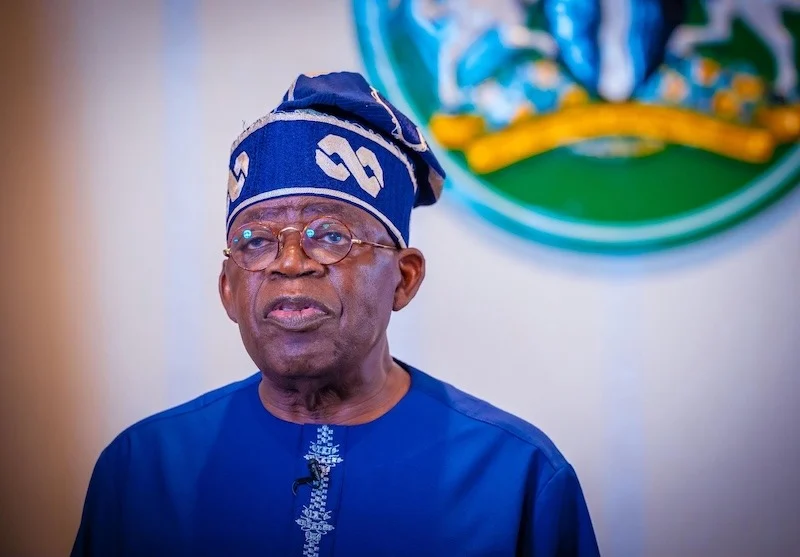
The Presidency has rejected a report by The Economist suggesting that Nigerians dislike President Bola Tinubu, describing the publication’s assessment as misleading and accusing it of presenting a distorted picture of the country.
According to Punch, the Presidency made its position known in a statement issued by the Special Adviser to the President on Media and Public Communications, Sunday Dare, titled “Beyond the Economist Condescension: Nigeria’s Re-engineering Under Tinubu is Unstoppable.”
Dare argued that foreign observers often assess Nigeria without sufficient appreciation of the country’s economic and political complexities, saying the administration inherited severe fiscal and structural challenges when it assumed office in 2023.
The Presidency defended the removal of fuel subsidy, foreign exchange reforms, the Nigerian Education Loan Fund, local government financial autonomy and the increase in the national minimum wage as measures aimed at addressing long-standing economic challenges.
It also highlighted government interventions in agriculture, public transportation and education, arguing that the reforms were designed to strengthen the economy and provide support to Nigerians despite the difficulties associated with the transition.
On the claim that Nigerians broadly reject the President, the Presidency maintained that the impact of government programmes on students, workers, farmers and local communities should also be considered when assessing public sentiment.
It acknowledged that Nigerians continue to face economic and security difficulties but insisted that the administration’s reforms were necessary to address structural weaknesses and place the country on a path toward sustainable growth.
The Presidency therefore dismissed what it described as a narrative of inevitable rejection, maintaining that the outcome of the ongoing reforms should be assessed through measurable changes in the economy and the experiences of citizens across the country.






Leave a comment