


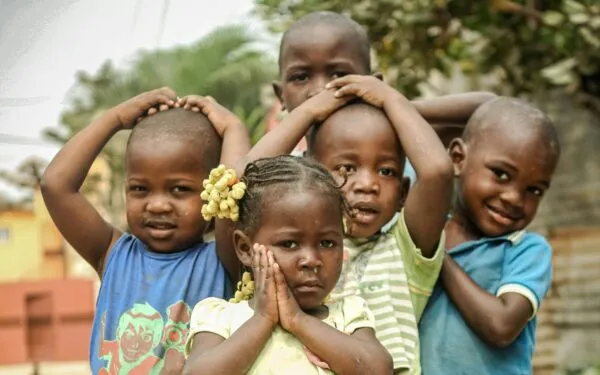
Nigeria is seeking $500 million in World Bank financing to strengthen early childhood development services, expand access to essential healthcare and nutrition, and improve learning opportunities for children across the country.
The proposed funding is part of the Federal Government’s State-Led Early Childhood Development Programme, designed to improve the welfare and development of children, particularly those from vulnerable households and underserved communities.
The National Economic Council (NEC) endorsed the proposed financing arrangement at its 162nd meeting on November 23, 2026, following a memorandum presented through the Federal Ministry of Budget and Economic Planning.
The initiative is expected to cover all 36 states and the Federal Capital Territory (FCT), with an additional potential grant of $30 million from the Global Financing Facility (GFF).
Programme to Integrate Healthcare, Nutrition and Early Learning
Under the proposed initiative, early childhood development hubs will be established to connect primary healthcare facilities with childcare services, preschool education and other essential social support programmes.
The hubs are intended to provide families with easier access to coordinated services during the early years of a child’s life, when proper nutrition, healthcare, education and protection are particularly important for physical and cognitive development.
The programme is also expected to prioritise underserved communities where access to quality healthcare, early education and child welfare services remains limited.
States to Lead Implementation
State governments are expected to play central roles in implementing the programme, mobilising resources and ensuring accountability for the delivery of services.
Existing government institutions will also be involved in coordinating interventions to ensure that children and their caregivers benefit from the proposed package of services.
The state-led approach is expected to strengthen coordination between healthcare, education and social development agencies while improving the delivery of essential services at the community level.
Addressing Nigeria’s Early Childhood Development Challenges
The proposed investment comes amid persistent challenges affecting the development of young children in Nigeria, including malnutrition, inadequate access to early learning and unequal access to essential healthcare.
World Bank project documents indicate that approximately 40 per cent of Nigerian children under five are stunted, while fewer than half are considered developmentally on track.
The documents also show that only 36 per cent of children aged 36 to 59 months attend organised early learning programmes.
These challenges highlight the importance of coordinated interventions that address children’s health, nutrition, education and protection needs from an early age.
Focus on Long-Term Human Capital Development
The proposed $500 million financing is expected to contribute to Nigeria’s broader human capital development objectives by improving the conditions necessary for children to grow, learn and reach their full potential.
If successfully implemented, the programme could strengthen primary healthcare delivery, improve early childhood education and provide families with better access to essential child development services.
However, the proposed financing should not be regarded as an already approved World Bank loan. It remains subject to the necessary financing and approval processes.
The success of the initiative will ultimately depend on effective implementation, transparent management of resources and sustained cooperation between federal and state governments.







Leave a comment