


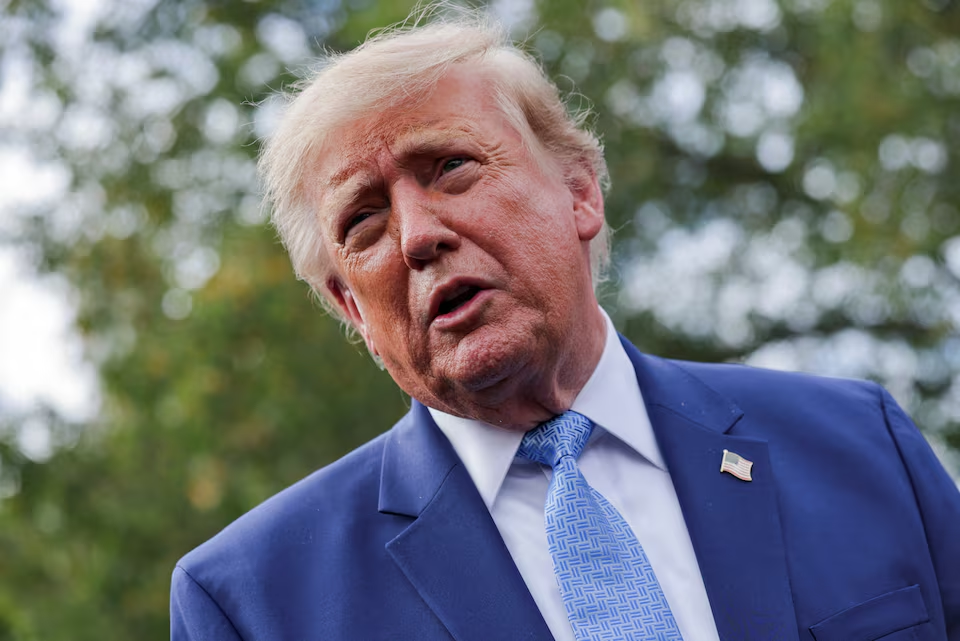
The US Court of International Trade is hearing a legal challenge to tariffs imposed by the Trump administration on goods from 60 trading partners over allegations that those countries have failed to prevent imports produced using forced labour.
The tariffs, introduced in July, range between 10% and 12.5% and cover more than 99% of US imports, although several products are exempt. The affected economies include China, the European Union, India, Japan, Nigeria and other major trading partners.
Four small businesses and 25 states are challenging the measures, arguing that the administration exceeded presidential authority and failed to establish the country-specific findings required under Section 301 of the Trade Act of 1974.
The case follows a February Supreme Court ruling that rejected much of Trump’s earlier broad tariff programme based on emergency economic powers. The administration subsequently relied on Section 301 to establish a new tariff framework.
The government maintains that the tariffs are legally justified, saying its investigations examined the policies of the affected economies and included public hearings and consultations with trading partners.
A three-judge panel is expected to issue a written ruling after the hearing. The outcome could have implications for US trade policy and the tariff costs facing importers across a wide range of industries.









Leave a comment