


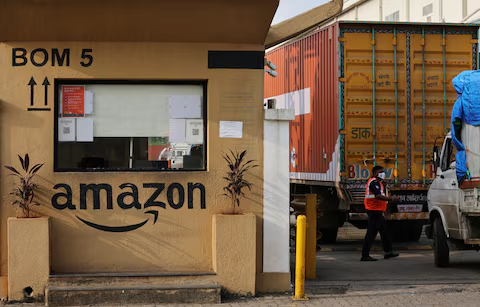
Amazon plans to invest $3 billion in India’s quick-commerce business by 2030, according to two people familiar with the company’s plans, marking its biggest push yet into a market where rivals have rapidly expanded ultra-fast deliveries.
The U.S. e-commerce giant plans to spend $1 billion by the end of 2027, followed by another $2 billion through 2030. The investment will largely support the expansion of Amazon Now, including the addition of small neighbourhood warehouses designed to enable faster deliveries.
India’s quick-commerce sector has transformed urban shopping, with consumers increasingly ordering groceries, household products and other goods for delivery within minutes. The market, valued at about $19 billion, is expected to more than double to $41 billion by 2030, according to Datum Intelligence.
Amazon currently holds about 6.2% of India’s quick-commerce market, behind Blinkit, Swiggy and Zepto, which together account for 77%, according to Datum data. Amazon plans to increase its network of quick-commerce stores from roughly 750 to about 1,300 by April next year.
The company also plans to strengthen inventory-management systems, use artificial intelligence to forecast demand and expand its product selection. However, its initial focus will remain on frequently purchased daily essentials rather than products such as iPhones, which some rivals already offer through quick-commerce services.
Amazon said its quick-commerce business has surpassed $1 billion in annualised gross sales over the past three months, calling it the fastest-growing e-commerce business in Amazon India’s history.
The expansion comes as Amazon attempts to gain ground in a highly competitive market while navigating India’s regulatory environment. Industry analysts have also questioned whether grocery-focused quick commerce can generate sufficient margins given the high costs of maintaining extensive delivery networks and small local warehouses.










Leave a comment