


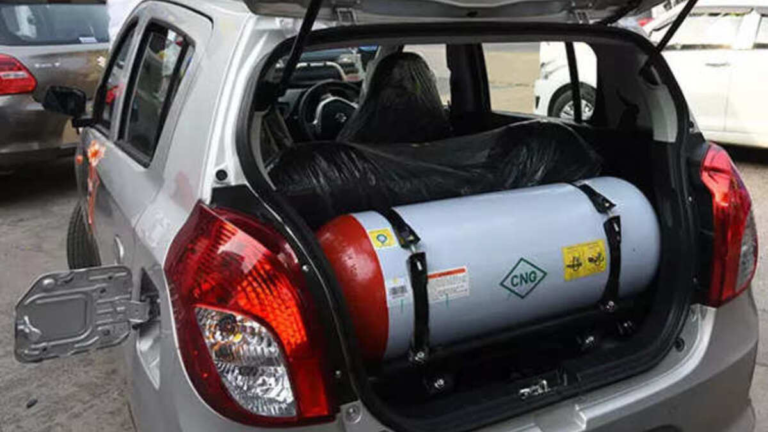
Nigeria’s drive to expand the use of compressed natural gas (CNG) as a cheaper alternative to petrol is facing significant financing, infrastructure, safety and operational challenges, raising questions about how quickly the transition can reach more motorists.
The Federal Government has promoted CNG as a major component of its response to high petrol prices and rising transportation costs following the removal of fuel subsidies. However, experiences of vehicle owners and commercial operators show that cheaper fuel alone may not be enough to sustain widespread adoption.
One of the biggest barriers remains the cost of converting petrol-powered vehicles to CNG. Conversion can require several hundred thousand naira, placing a significant financial burden on commercial drivers and other vehicle owners who depend on their vehicles for their daily income.
An Abuja commercial driver cited in the latest assessment said he spent about N650,000 on conversion. Although he found CNG cheaper to operate, he said difficulties accessing the fuel had reduced the benefits of the investment.
For other motorists, the problem is not simply the price of CNG but the time required to obtain it.
Long queues have reportedly become common at some refuelling stations, with some drivers spending several hours waiting for gas. For commercial operators, such delays translate directly into lost trips and reduced daily earnings.
Some vehicle owners who initially switched to CNG have consequently returned to petrol because they find petrol stations more accessible, despite the higher cost of fuel.
The financing challenge is particularly important because many commercial drivers cannot afford the conversion cost upfront. The government has sought partnerships with financial institutions and credit agencies to make conversion financing more accessible, but operators still require reliable access to CNG to make loan repayments sustainable.
Infrastructure remains another major constraint.
The expansion of CNG-powered vehicles requires enough conversion centres, trained technicians, gas supply facilities and refuelling stations to serve motorists across major routes. Earlier industry assessments found that infrastructure rollout had fallen behind some government targets, while operators continued to report shortages and uneven access.
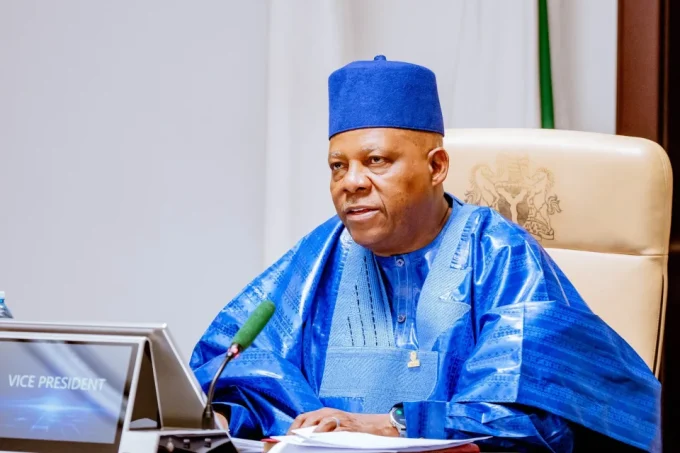
The government, however, says progress has been made. In a September 19 update, President Bola Tinubu said more than 120,000 vehicles had been converted, with over 400 certified conversion centres and more than 90 CNG refuelling stations operating across the country.
Safety has also emerged as a concern following a recent incident involving a CNG-converted vehicle in Abuja. The National Automotive Design and Development Council said preliminary information indicated that the vehicle may have been fitted with an additional cylinder that was not approved or suitable for CNG use.
The council urged motorists to use certified conversion centres, approved components and qualified technicians, while warning against unauthorised modifications to CNG systems.
The mixed experience highlights a broader issue for Nigeria’s CNG transition: the economics of conversion depend on more than the price of gas.
Lower fuel costs can deliver substantial savings for motorists, but those savings can be weakened by conversion expenses, maintenance, long queues, unreliable supply and the distance to refuelling stations.
For the programme to achieve wider adoption, infrastructure expansion will therefore need to keep pace with vehicle conversions, while financing arrangements, safety standards and gas supply systems become more reliable.
The Federal Government is also seeking to use CNG to reduce transportation costs. In its latest update, it said CNG-powered transport services in several states had already produced significant fare reductions and announced plans to accelerate the rollout ahead of October 1.
The success of the transition will ultimately depend on whether motorists can access affordable conversion, reliable refuelling and safe maintenance without sacrificing the time and income they currently depend on









Leave a comment