


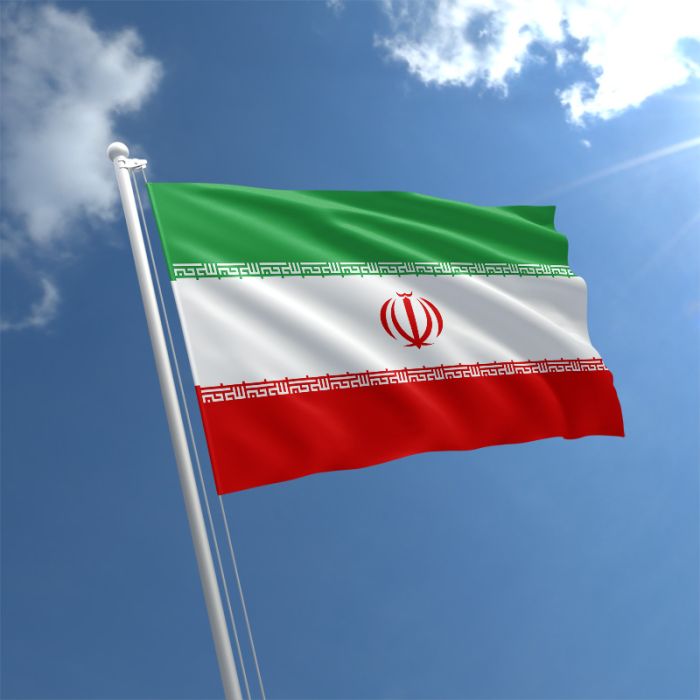
Iran is preparing to establish an “exclusion zone” outside the Strait of Hormuz targeting vessels it believes are attempting to pass through the strategic waterway, Mohsen Rezaei, the newly appointed head of Iran’s Supreme National Security Council, said on Sunday, September 6, 2026.
Rezaei told Iranian state television that the zone would be announced in the coming days or weeks and would stretch from what Tehran considers the line of the U.S. naval blockade toward the Strait of Hormuz and into the Persian Gulf.
He said vessels entering the designated area with the intention of transiting the strait and identified by Iranian authorities would be placed on Iran’s sanctions list.
The announcement came a day after the United States struck three Iranian oil tankers following Iran’s launch of ballistic missiles toward U.S. warships. The attacks marked a further escalation in a conflict that has increasingly affected shipping through the Strait of Hormuz.
The precise location of the U.S. blockade referenced by Rezaei remains unclear. The U.S. military has said more than 20 warships are supporting the operation, which is aimed at restricting Iranian oil exports. By Sunday, the blockade had reportedly redirected 92 commercial vessels and disabled three.
The United States has also expanded economic measures against Tehran after negotiations between the two countries collapsed, while Iran has continued attacks against some vessels attempting to navigate the strait.
The conflict, which began on February 28 with U.S. and Israeli strikes on Iran, has made the Strait of Hormuz a major point of pressure for Tehran. The waterway is one of the world’s most important routes for oil and natural gas shipments.
Rezaei also expressed distrust toward countries that previously acted as mediators between Iran and the United States, including Pakistan, Qatar and Oman. He said Tehran was now seeking diplomatic engagement backed by guarantees after a memorandum of understanding reached by Washington and Tehran in mid June quickly deteriorated amid mutual accusations of violations.
Meanwhile, U.S. Energy Secretary Chris Wright said on Sunday that about 9 million barrels of oil were still passing through the Strait of Hormuz each day. He said regional pipelines were also helping maintain energy supplies and estimated that total flows were at roughly two thirds or more of preconflict levels.
Wright said continued oil shipments depended partly on the presence of U.S. naval forces escorting tankers and providing protection against potential Iranian attacks.
Rezaei, meanwhile, claimed Iran was continuing to sell between one million and 1.5 million barrels of oil per day despite the U.S. blockade and growing economic pressure.











Leave a comment