


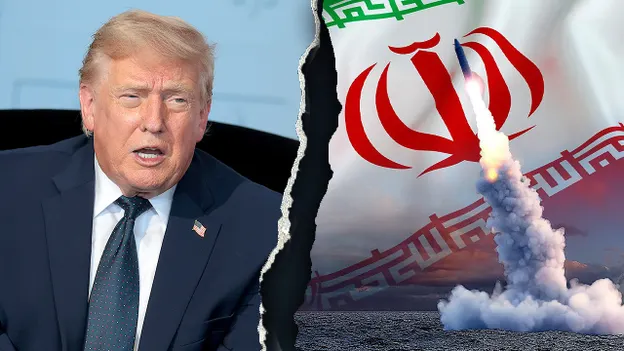
Iran has launched a new wave of missile attacks on U.S. military facilities across the Gulf after the United States carried out a sixth consecutive night of airstrikes on Iranian targets, marking a significant escalation in the ongoing conflict.
The latest U.S. strikes targeted military infrastructure in southern Iran, including areas near Bandar Abbas and Qeshm Island, with U.S. Central Command saying the operation was aimed at degrading Iran’s military capabilities and protecting international shipping routes.
In response, Iran’s military said it fired missiles at U.S. facilities in Kuwait, Bahrain and Oman, while also claiming to have targeted a U.S. special forces site in Syria. Regional governments activated air defence systems, and several missiles were intercepted before reaching their intended targets.
The renewed fighting has intensified concerns over the security of the Strait of Hormuz, one of the world’s most important oil shipping routes. U.S. forces have increased naval operations in the Gulf, including boarding commercial vessels as part of efforts to enforce maritime security, while Iran has threatened further action if military strikes continue.
The conflict has also rattled global energy markets, with oil prices climbing amid fears that prolonged hostilities could disrupt crude exports from the Gulf. Analysts warned that any sustained closure or disruption of key maritime routes could have significant consequences for global energy supplies and international trade.
Neither Washington nor Tehran has indicated any immediate willingness to de-escalate, despite growing international calls for restraint. Diplomatic efforts by regional and global powers continue, but the latest exchange of attacks underscores the fragile security situation across the Middle East.










Leave a comment