


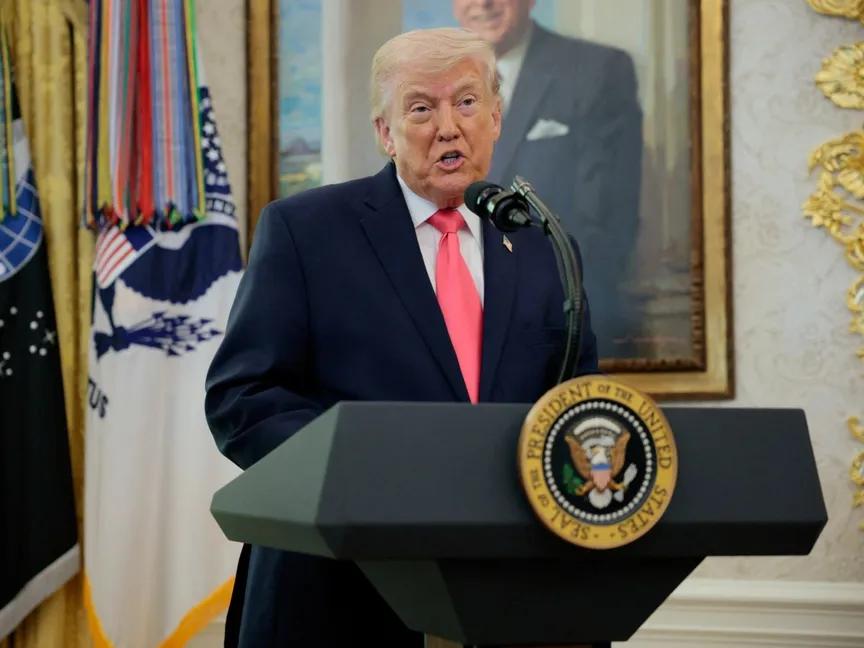
The Trump administration is pressing ahead with its tariff policy on imported patented pharmaceuticals, saying the measures are designed to strengthen domestic manufacturing, reduce reliance on foreign suppliers and protect U.S. national security.
The policy imposes tariffs on patented pharmaceutical products and key ingredients imported into the United States, while allowing lower or zero tariff rates for companies and trading partners that meet specific investment, pricing or production requirements.
Administration officials say the strategy is intended to encourage pharmaceutical companies to expand manufacturing within the United States, strengthen supply chains and improve the country’s preparedness for future public health emergencies.
The White House has argued that the United States remains heavily dependent on imported medicines and pharmaceutical ingredients, creating vulnerabilities that could affect access to essential drugs during global disruptions. Officials also say the policy has already encouraged significant investment commitments from pharmaceutical manufacturers seeking to increase production in the country.
The tariffs are expected to have varying effects across the pharmaceutical industry. While generic medicines are currently exempt, manufacturers of patented drugs may face higher import costs unless they qualify for exemptions through agreements with the U.S. government. Industry analysts say the policy could accelerate investment in domestic production but may also increase costs for some imported medicines.
The administration maintains that the measures form part of a broader effort to strengthen critical industries, reduce dependence on overseas manufacturing and reinforce the resilience of the U.S. healthcare supply chain.










Leave a comment