


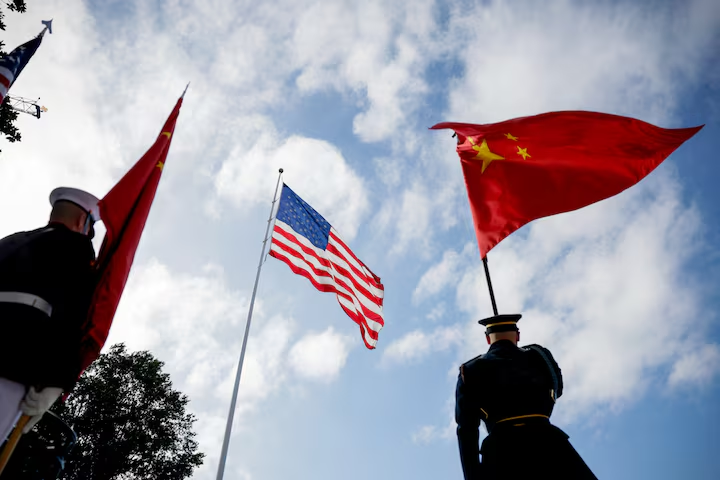
The Trump administration is considering a proposal that would require American companies to publicly disclose their use of artificial intelligence models developed by Chinese technology firms. The move is aimed at reducing US businesses’ dependence on Chinese AI without introducing direct restrictions on the technology.
According to a Reuters report published on November 18, 2026, the proposal has been discussed by the US Treasury Department and the White House Office of Science and Technology Policy (OSTP). Under the plan, companies could be required to publish details of their use of Chinese AI models on their official websites.
Airbnb is among the companies that could be affected, as it uses Alibaba’s Qwen AI model to support its customer service operations. However, Airbnb said most of its AI activities rely on US-developed models, while its limited use of Chinese AI operates through approved US-based service providers.
Growing Concerns Over Chinese AI
Chinese AI models, including DeepSeek, Qwen and Moonshot AI’s Kimi, are gaining popularity among American businesses because they are relatively affordable and offer competitive performance.
However, US officials are concerned that increased adoption could make American companies dependent on Chinese technology and create potential security and data protection risks.
The proposal reflects an approach that could discourage businesses from using Chinese AI through public disclosure rather than immediate restrictions or bans.
Congress Raises Questions Over AI Security
The issue has also attracted attention from US lawmakers. Republican Representatives Andrew Garbarino and John Moolenaar have launched an investigation into American companies’ use of Chinese AI models.
Their inquiries have involved Airbnb, Anysphere, the developer of the AI coding tool Cursor, and DoorDash, which has reportedly used China’s Kimi model for some internal tasks.
US Treasury Secretary Scott Bessent has also warned that Chinese AI companies could face sanctions if found responsible for intellectual property theft through AI distillation, a process that uses the outputs of larger AI models to train smaller systems.
Meanwhile, China has opposed the politicisation of trade and technology issues, arguing that such measures could slow global AI development.
What Happens Next?
The proposed disclosure requirement has not been finalised, and it remains unclear whether the administration will introduce it as an official policy.
However, the discussions highlight growing concerns in Washington about China’s expanding influence in the global AI industry and the potential risks of American businesses relying on foreign-developed technology.











Leave a comment