


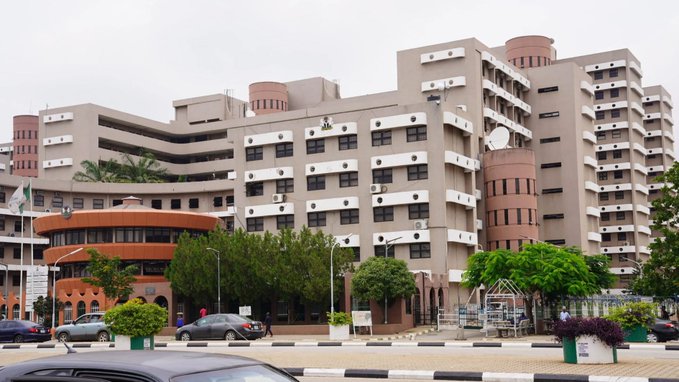
The Association of Senior Civil Servants of Nigeria (ASCSN) has called for an immediate increase in the minimum monthly salary of federal government workers from N70,000 to N300,000, citing the rising cost of living and growing economic hardship across the country.
The association argued that the current N70,000 minimum wage is no longer sufficient to guarantee federal workers a decent standard of living, particularly amid increasing prices of food, transportation, accommodation, healthcare and other essential commodities.
According to the association, the financial pressure facing Nigerian workers has continued to undermine their purchasing power, making it increasingly difficult for many civil servants to meet their basic household needs with their present earnings.
The demand for a N300,000 minimum monthly salary reflects growing concerns among organised labour groups over the gap between workers’ earnings and the cost of maintaining a reasonable standard of living in Nigeria.
The association’s call also places renewed attention on the implementation of wage policies, workers’ welfare and the need for improved remuneration within the federal civil service.
Nigeria’s N70,000 national minimum wage was introduced under the National Minimum Wage Act 2024, replacing the previous N30,000 minimum wage following negotiations between the Federal Government, organised labour and other stakeholders.
However, the ASCSN’s latest demand highlights the continuing debate over whether the existing minimum wage adequately addresses the economic realities confronting Nigerian workers.
The proposed N300,000 minimum salary, if considered by the relevant authorities, would represent a significant increase in workers’ monthly earnings and would require discussions on funding, implementation and the broader implications for public sector finances.
The association’s position is expected to further draw attention to the issue of salary reviews, workers’ purchasing power and the need for sustainable measures to improve the welfare of Nigerian civil servants.










Leave a comment