


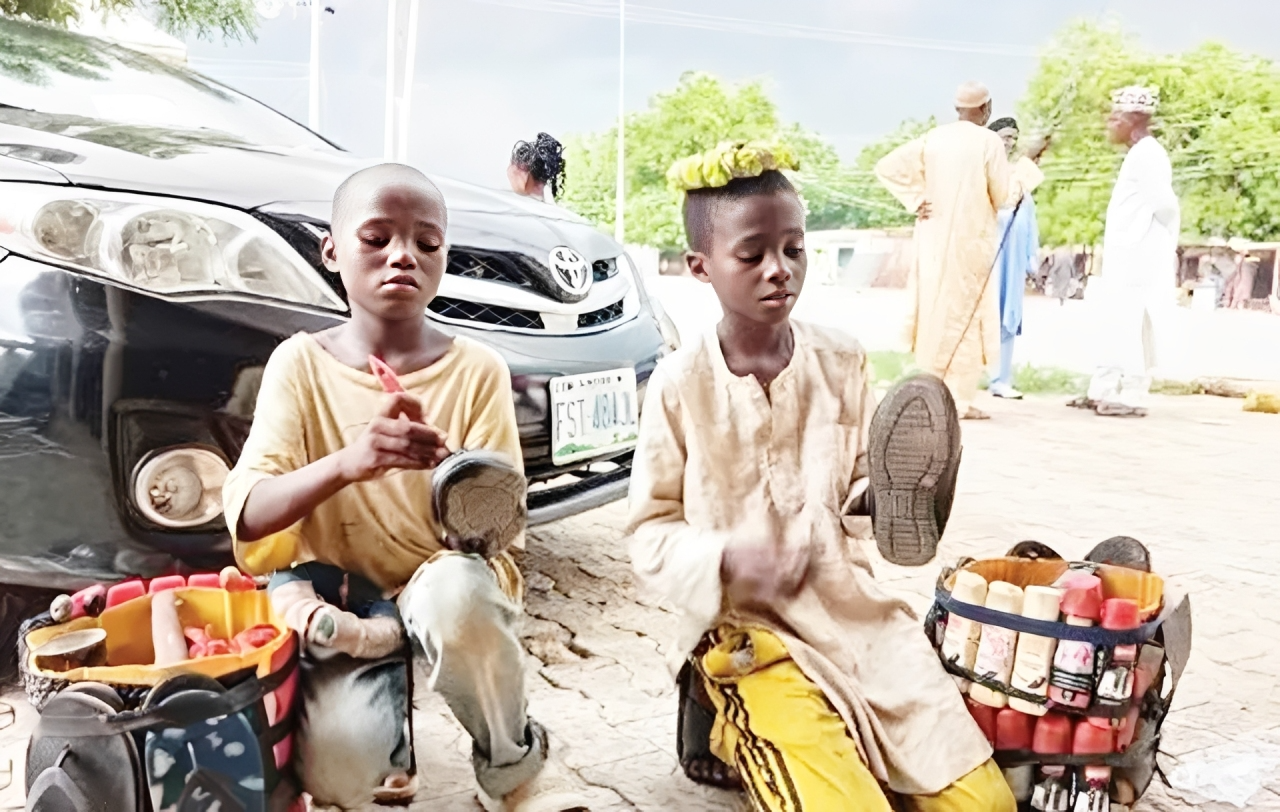
Almajiri pupils in Jigawa State are facing increasing food insecurity as economic hardship and rising living costs reduce the traditional support they receive from residents.
A report from Dutse and other towns in the state revealed that households that previously provided free meals to the pupils are increasingly struggling to feed their own families, leaving many children searching for alternative ways to survive.
Some pupils now fetch grass for cattle rearers, gather firewood, wash clothes, fetch water and repair shoes in exchange for food. Others spend much of the day searching for assistance, leaving less time for their Islamic studies.
Teachers and heads of Tsangaya schools have expressed concern that hunger is affecting the children’s concentration and ability to learn. Community members have also called for urgent government intervention and greater support from individuals and charitable organisations.
The Jigawa State Tsangaya School Board acknowledged the challenges but said the government had introduced feeding programmes for pupils in selected schools.
According to the board’s Executive Secretary, Dr Abubakar Maje, approximately 10,000 pupils in selected Tsangaya schools receive three meals daily. Another 4,180 pupils in model Tsangaya schools benefit from government support.
The board also disclosed plans to support 130 integrated Tsangaya schools, serving about 17,000 pupils, with farming inputs and monthly stipends for school heads to help them produce food.
The initiative is intended to reduce dependence on public charity and discourage begging among pupils.
The situation highlights the need for sustainable feeding programmes, stronger community support and measures to protect vulnerable children while ensuring they can continue their education.










Leave a comment