


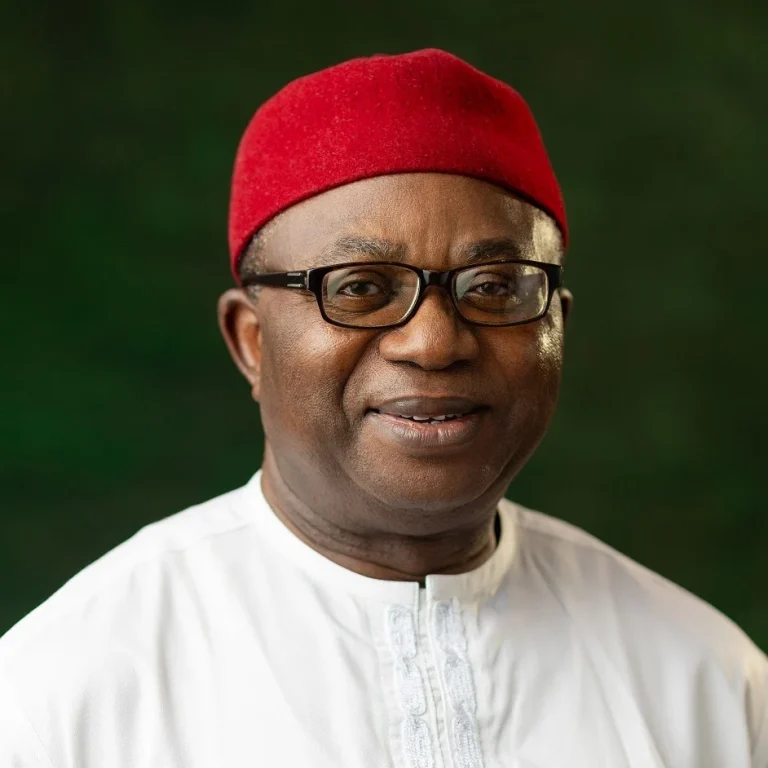
Former member of the House of Representatives, Sam Onuigbo, has commended President Bola Tinubu’s fiscal reforms, urging state governors to ensure that local government councils receive their statutory allocations to accelerate grassroots development and improve living conditions across Nigeria.
Onuigbo, who is also President of the Global Legislators Organisation for a Balanced Environment International, said increased revenue accruing to state governments following the removal of the petrol subsidy should translate into better rural infrastructure, agricultural development and employment opportunities.
Speaking with journalists on Sunday, October 11, 2026, the former lawmaker expressed concern that local government councils were not adequately benefiting from the increased revenue available to the three tiers of government.
He called on governors to ensure that funds meant for local councils were made available for development projects rather than being concentrated at the state level.
Nasarawa Allocation Rises to ₦14bn–₦16bn Monthly
To illustrate the increase in revenue available to state governments, Onuigbo cited comments by Nasarawa State Governor, Abdullahi Sule, who reportedly disclosed that the state’s monthly allocation had risen from between ₦3.8 billion and ₦4.5 billion before petrol subsidy removal to between ₦14 billion and ₦16 billion afterward.
The figures represent an increase of approximately 211 to 321 per cent, depending on the starting and ending amounts compared.
The former lawmaker also cited comments by Imo State Governor, Hope Uzodimma, who recalled that monthly allocations to the three tiers of government had increased from about ₦784 billion collectively to between ₦1.8 trillion and ₦2.6 trillion following the reforms.
These figures, cited by Onuigbo, illustrate the scale of the additional revenue being distributed through the Federation Account Allocation Committee (FAAC).
However, he argued that increased allocations should be assessed not only by the amounts received by governments but also by the improvements citizens experience in their communities.
₦10.479tn Allocated to Local Governments in Two Years
The debate over local government funding comes against the backdrop of the Supreme Court’s landmark judgment on financial autonomy delivered on July 11, 2024.
The ruling directed that allocations standing to the credit of Nigeria’s 774 constitutionally recognised local government areas be paid directly to their accounts rather than being controlled by state governments.
A report published in July 2026, based on FAAC records and government data, found that local governments received approximately ₦10.479 trillion between July 2024 and June 2026.
The report showed that allocations rose from ₦4.496 trillion in the first 12-month period, covering July 2024 to June 2025, to ₦5.984 trillion between July 2025 and June 2026.
This represents an increase of ₦1.488 trillion, or approximately 33.1 per cent, between the two periods.
Despite the increase, questions remained over the extent to which local councils had gained effective control of their allocations and whether the funds were translating into improved public services.
Onuigbo criticised the continued use of State Joint Local Government Accounts and related arrangements, arguing that they could undermine the financial independence of councils.
Calls for Greater Financial Autonomy
Onuigbo maintained that local governments require direct access to their funds to discharge their constitutional responsibilities effectively.
He argued that councils with adequate financial resources would be better positioned to construct rural roads, build culverts, improve community infrastructure and support small-scale businesses.
He also called for local government allocations to be invested in agriculture, saying improved access to resources could help rural residents engage in productive economic activities.
According to the former lawmaker, stronger local administrations could also create employment opportunities and respond more effectively to challenges affecting their communities.
He urged governors to demonstrate accountability in the management of public revenue and ensure that increased allocations benefit residents at the grassroots.
Agriculture and Rural Infrastructure in Focus
The former lawmaker identified agricultural development as one of the major areas where improved local government funding could make a difference.
He argued that councils should be able to support farmers, encourage local production and improve rural infrastructure to help communities participate more effectively in the economy.
Better rural roads and culverts, he said, could improve access to markets, facilitate the movement of farm produce and reduce transportation difficulties for farmers and traders.
He also linked the financial weakness of local governments to wider concerns about unemployment and insecurity, arguing that adequately funded councils would be better placed to identify local problems and respond before they escalated.
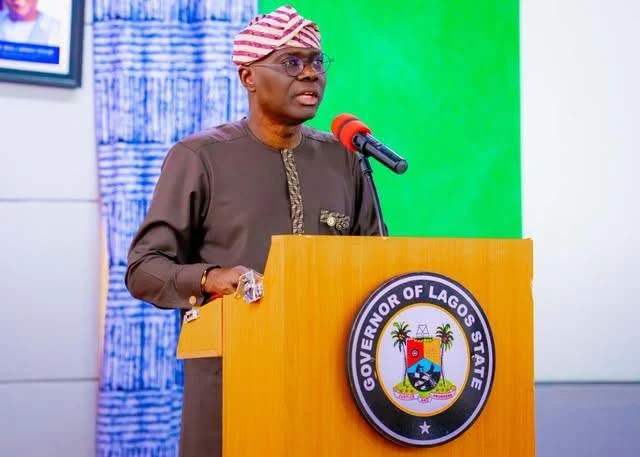
Onuigbo cited Borno State Governor Babagana Zulum and Lagos State Governor Babajide Sanwo-Olu as examples of governors he said had allowed local government councils in their states to receive their allocations more directly.
Revenue Sharing and Accountability
Nigeria’s local government funding arrangements have remained a subject of debate following the Supreme Court’s 2024 ruling.
The constitutional framework previously provided for State Joint Local Government Accounts, while the Supreme Court directed that allocations due to democratically elected local government councils should be paid directly to them.
In December 2025, the Supreme Court reiterated the need to implement its earlier judgment, expressing concern over the lack of sufficient progress in putting the necessary arrangements into effect.
The continuing debate highlights the difference between increasing the amount of revenue allocated to local governments and ensuring that councils can exercise effective control over the funds.
For financial autonomy to produce meaningful results, councils must also demonstrate transparency, proper budgeting and accountability in spending public money.
2027 Elections: Onuigbo Urges Voters to Demand Accountability
Onuigbo urged Nigerians to make the management of public revenue and grassroots development important considerations in the 2027 general elections.
He maintained that governors and other elected officials should be assessed by the infrastructure, employment opportunities and public services delivered to their constituents.
He also called for stronger cooperation among federal, state and local governments, arguing that effective collaboration could help spread development beyond major cities and reduce pressure on urban centres.
While praising Tinubu’s reforms, the former lawmaker argued that state governments must complement federal initiatives by ensuring that increased public revenue reaches local communities.
He said improved access to funds, coupled with responsible management and effective oversight, could strengthen local administration and expand economic opportunities for millions of Nigerians.





Leave a comment