


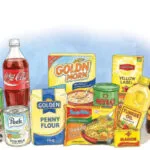
Concerns over the growing circulation of adulterated food and counterfeit or substandard medicines are putting renewed pressure on Nigeria’s food and drug safety system.
The problem extends beyond medicines to everyday food products, with consumers increasingly exposed to items that may have been poorly produced, contaminated, adulterated or falsely presented.
The spread of fake and unsafe products poses serious risks to public health, particularly for low-income households that may have limited ability to identify genuine products or verify their sources.
Counterfeit medicines can also have severe consequences, especially when they contain the wrong ingredients, inadequate doses or no effective active ingredient. Beyond individual health risks, the trade undermines legitimate manufacturers and distributors operating within the formal economy.
The situation highlights the need for stronger enforcement, more effective monitoring of production and distribution channels, and greater public awareness about how to identify approved products.
Regulatory agencies, manufacturers, retailers and consumers all have roles to play in reducing the circulation of unsafe goods. Better coordination and tougher action against producers and distributors of fake products will also be critical to protecting consumers.
As Nigeria’s population and consumer market continue to grow, ensuring that food and medicines meet safety standards remains an important public health and economic priority.










Leave a comment