


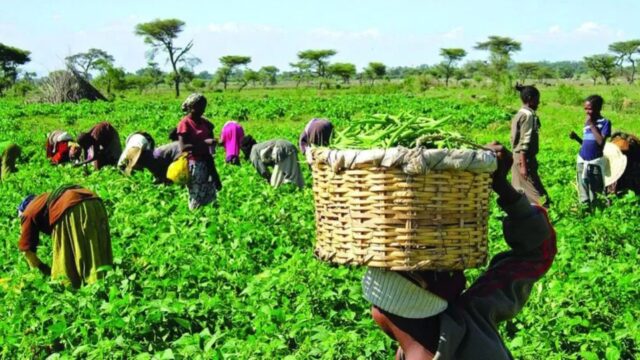
Nigeria’s huge agricultural output could generate significantly greater economic value if more of its surplus produce is processed instead of being lost to poor storage, weak logistics and limited processing capacity.
The country produces large quantities of cassava, yam, mangoes, oranges and other crops, yet an estimated 20 to 40 per cent of perishable agricultural produce is lost after harvest. Mango production alone is estimated at about 850,000 metric tonnes annually.
The losses represent more than wasted food. They also mean lost income for farmers, fewer opportunities for processors and reduced potential for job creation and foreign-exchange earnings.
Investment in agro-processing, particularly fruit juices, concentrates, dairy products and starch-based industries, could extend the shelf life of agricultural products while creating stronger links between farmers and manufacturers. Processing mangoes into puree or concentrates, for example, could provide a more reliable supply for factories and retailers.
However, high financing costs, unreliable electricity, inadequate cold-storage facilities and poor rural transport infrastructure remain major obstacles. The report highlights solar-powered cold storage, better roads, investment incentives and stronger quality-control systems as measures that could unlock the sector.
With the African Continental Free Trade Area expanding access to regional markets, stronger agro-processing capacity could also help Nigerian businesses move from exporting raw agricultural commodities to higher-value processed products.










Leave a comment