


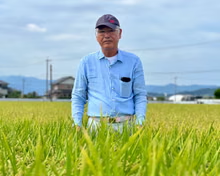
Japanese farmers are increasingly turning to heat-resistant rice varieties as record temperatures and prolonged dry conditions threaten the quality and supply of one of the country’s most important staple foods.
The shift is particularly pronounced in Saga prefecture, where heat-tolerant varieties now account for almost 67% of rice-growing land. Across Japan, such varieties were cultivated on about 248,000 hectares last year, representing 18% of the country’s total rice crop, up sharply from 42,000 hectares the previous year.
Farmers have faced repeated extreme heat in recent summers, with temperatures above 40C prompting Japan’s meteorological agency to introduce a new “cruelly hot days” category. Excessive heat after rice plants flower can leave grains immature, chalky and unsuitable for top-grade commercial sales.
One promising variety, hinatamaru, was developed through 12 years of research and has performed well during recent trials. Its adoption is spreading as farmers seek to protect yields while maintaining the taste expected by consumers.
The changes also highlight Japan’s wider agricultural challenge. Almost 70% of the country’s agricultural workers are aged 65 or older, increasing pressure on the sector to adapt quickly to a warmer climate.











Leave a comment