


By Benson Daniel
Criminal groups are adopting a new strategy to gain access to vulnerable children by posing as civil society organisations, humanitarian workers and representatives of orphanage centres, authorities have warned.
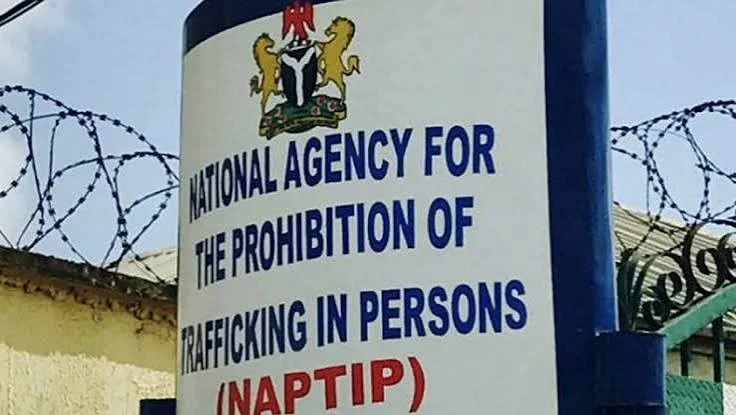
The National Agency for the Prohibition of Trafficking in Persons has raised the alarm over the emerging pattern, revealing that traffickers are using seemingly legitimate humanitarian activities to gain the confidence of families before taking children away.
The groups reportedly approach vulnerable households under the guise of offering assistance, education, welfare support or other services. By presenting themselves as organisations working to improve children’s lives, they are able to establish relationships with parents and guardians who may not immediately suspect criminal intentions.
In some cases, families are persuaded to hand over their children to people claiming to represent orphanages or organisations that can provide better care and opportunities for the minors.
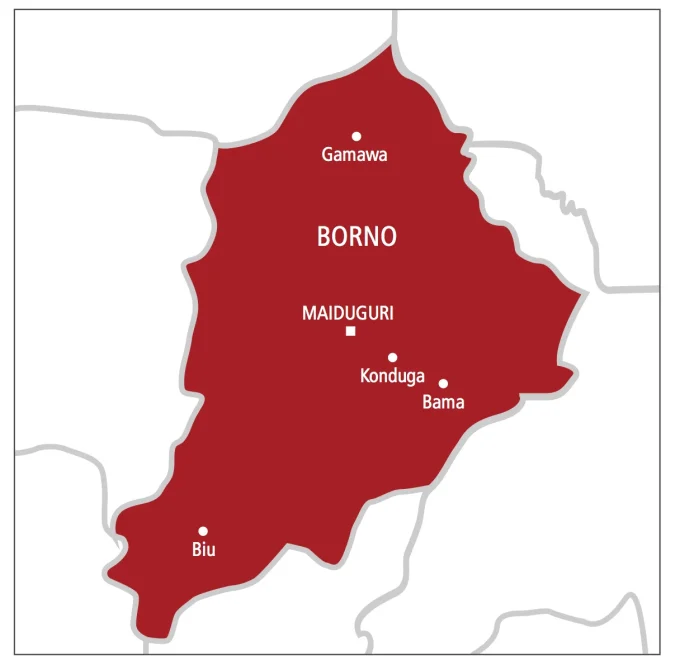
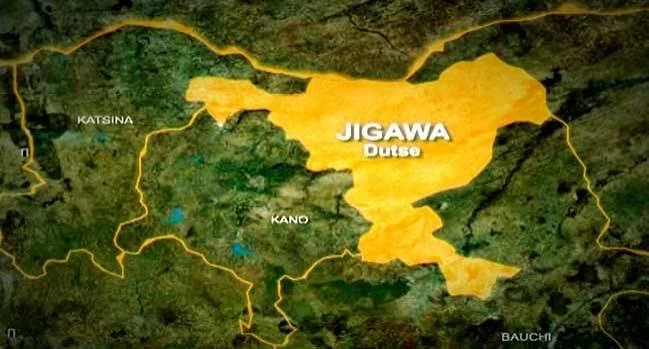
NAPTIP disclosed that more than 180 children allegedly trafficked from five states were rescued from networks operating under the guise of civil society organisations.
The development has heightened concerns over the need for parents and communities to verify organisations and individuals seeking access to children, particularly when they offer to take minors away from their families.
Trafficking networks have historically exploited poverty, unemployment, family difficulties and the desire of parents to secure better opportunities for their children. The latest method adds another layer of deception by giving criminal operations the appearance of legitimate humanitarian work.
Authorities have urged communities to remain vigilant and report suspicious organisations or individuals attempting to recruit or take custody of children without proper documentation and verification.
Parents have also been advised not to surrender their children to unknown organisations or individuals simply because they promise education, accommodation, employment opportunities or financial assistance.
The warning comes amid continuing efforts to combat human trafficking in Nigeria, where children remain particularly vulnerable to exploitation, forced labour, sexual exploitation and illegal adoption.
Officials say stronger community awareness is essential because traffickers often depend on trust and secrecy to operate. Early identification of suspicious behaviour can prevent children from being moved across state borders and placed in trafficking networks.
The new tactic also highlights the importance of properly checking the registration and activities of organisations claiming to provide humanitarian or child welfare services.
As criminal networks become more sophisticated, authorities are urging families to treat unsolicited offers involving their children with caution and to seek confirmation from relevant government agencies before agreeing to such arrangements.








Leave a comment