


By Benson Daniel
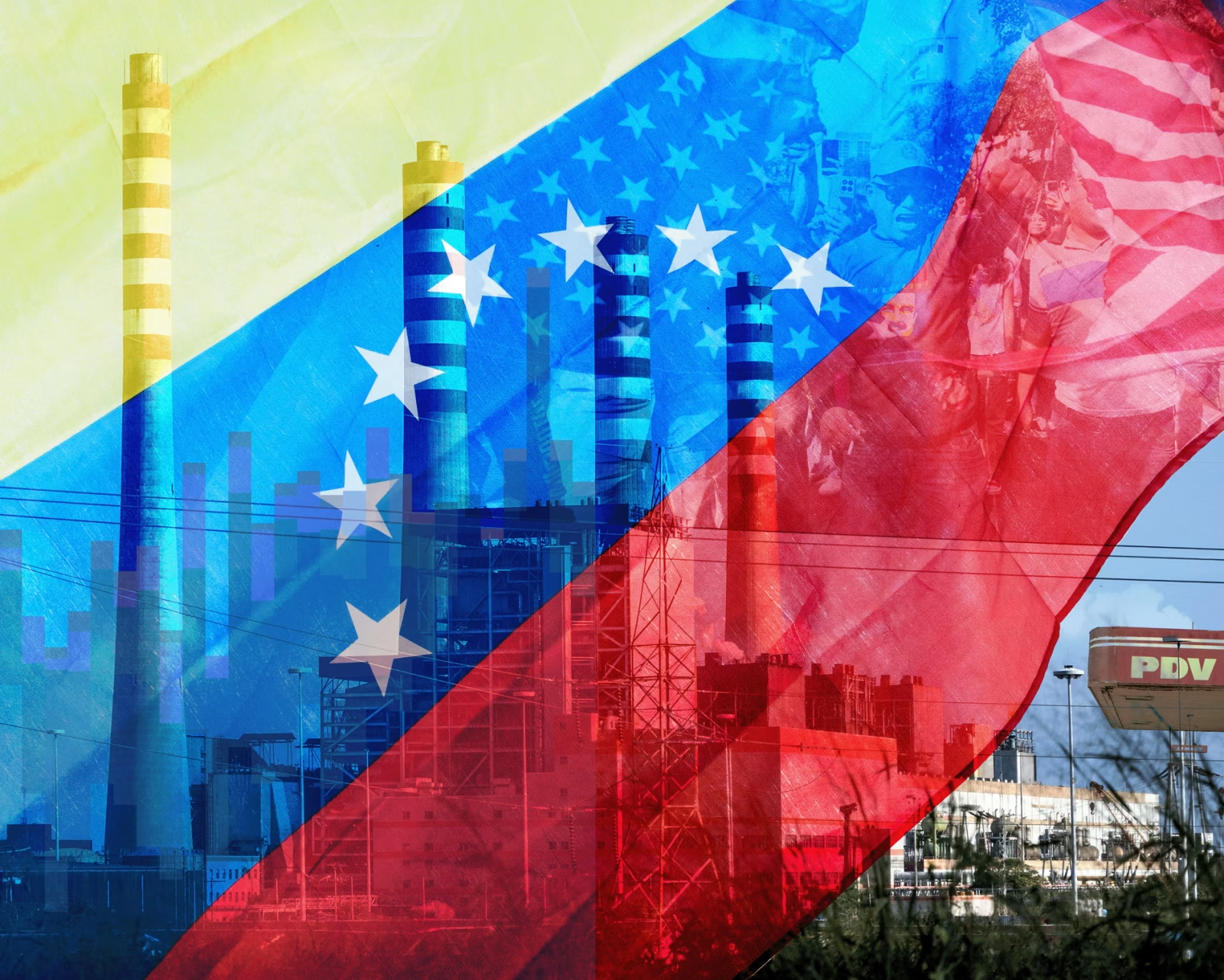
For more than a century, the relationship between the United States and Venezuela has been closely tied to one commodity: oil.
Long before today’s political disputes, sanctions and diplomatic confrontations, American companies were deeply involved in Venezuela’s emerging petroleum industry. As oil production expanded during the early 20th century, the United States became one of Venezuela’s most important markets, helping establish an economic relationship that would survive repeated political upheavals.
Venezuela’s oil boom accelerated in the 1920s, transforming the country into one of the world’s major petroleum producers. American companies became prominent operators, while Venezuela’s crude increasingly flowed towards the US market.
The relationship was not simply commercial. Oil became strategically important to Washington, particularly during the Second World War, when Venezuela supplied petroleum that helped fuel the Allied war effort. American energy companies, meanwhile, built a powerful presence in the Venezuelan industry.
Caracas gradually sought greater control over the wealth generated by its natural resources. Changes in oil legislation during the 1940s increased the government’s share of petroleum profits, while the country eventually nationalised its oil industry in the 1970s. The creation of state oil company PDVSA marked a major shift in the balance between foreign companies and the Venezuelan state.
For a time, however, the two countries remained important economic partners. Venezuela became a major supplier of crude to the United States, while American companies maintained interests in the country’s vast oil sector.
That relationship changed dramatically after Hugo Chávez came to power in 1999. Chávez moved Venezuela towards socialism, strengthened state control over the petroleum industry and developed closer relationships with countries including China and Russia.
In 2007, his government nationalised key oil assets, reducing the role of foreign companies. Chevron remained one of the few major American firms with a continuing presence in Venezuela.
Relations deteriorated further under Nicolás Maduro, who succeeded Chávez. Washington imposed increasingly severe sanctions as it accused Maduro’s government of undermining democracy and human rights. Restrictions on Venezuela’s oil industry eventually became one of the principal tools of US pressure.
The result was a remarkable reversal. A country that had once been a major source of crude for the American market found its petroleum exports increasingly constrained by US sanctions, while its domestic oil industry suffered from years of underinvestment, political turmoil and deteriorating infrastructure.
The oil question has now returned to the centre of the relationship in an even more dramatic form.
Following the upheaval surrounding Maduro and Venezuela’s political transition in 2026, Washington has moved towards a new arrangement designed to bring foreign investment back into Venezuela’s petroleum industry and increase production. A recently disclosed agreement could give US interests access to major Venezuelan oil fields, with production potentially rising substantially if investment and infrastructure improvements materialise.
Major energy companies have already signalled their willingness to expand. Chevron has committed more than $7bn to Venezuela and plans to increase its production, while other international companies are pursuing new projects under a revised Venezuelan oil framework.
The developments have revived an old question about the nature of US involvement in Venezuela. Washington presents the renewed energy partnership as a means of rebuilding the country’s oil industry, strengthening energy security and supporting economic recovery.
Critics, however, argue that Venezuela’s natural resources risk becoming the centre of another unequal relationship, with questions over sovereignty, transparency and who ultimately benefits from the country’s enormous petroleum wealth.
The history between the two countries suggests that oil has rarely been merely an economic commodity. It has shaped alliances, influenced foreign policy and repeatedly altered the balance of power between Caracas and Washington.
More than 100 years after American companies first established a major presence in Venezuela’s oil industry, petroleum remains the common thread connecting the two countries, even as the political relationship has moved from partnership to confrontation and now towards an uncertain new form of cooperation.










Leave a comment