



By Benson Daniel
Rain and cooler temperatures are expected to provide some relief to parts of the United Kingdom as firefighters continue battling widespread wildfires fuelled by prolonged heat and exceptionally dry conditions.
The change in weather comes after Britain experienced its fifth heatwave of the year, with temperatures reaching 38.1°C in London on Thursday, one of the country’s hottest days on record. The prolonged heat has left vegetation and soil exceptionally dry, creating conditions in which fires can spread rapidly.
Firefighters in Wales remained engaged in tackling active wildfires on Sunday, with military personnel deployed to assist emergency services. Authorities have warned that although rain is expected in some areas, it may not immediately resolve the underlying dryness that has made vegetation highly vulnerable to ignition.

The United Kingdom has recorded an unprecedented number of wildfires this year. Fire and rescue services in England and Wales responded to 966 wildfires between January 1 and August 10, already exceeding the totals recorded during the same period in 2022 and 2025. A further 185 wildfires were recorded during the first 10 days of August alone.
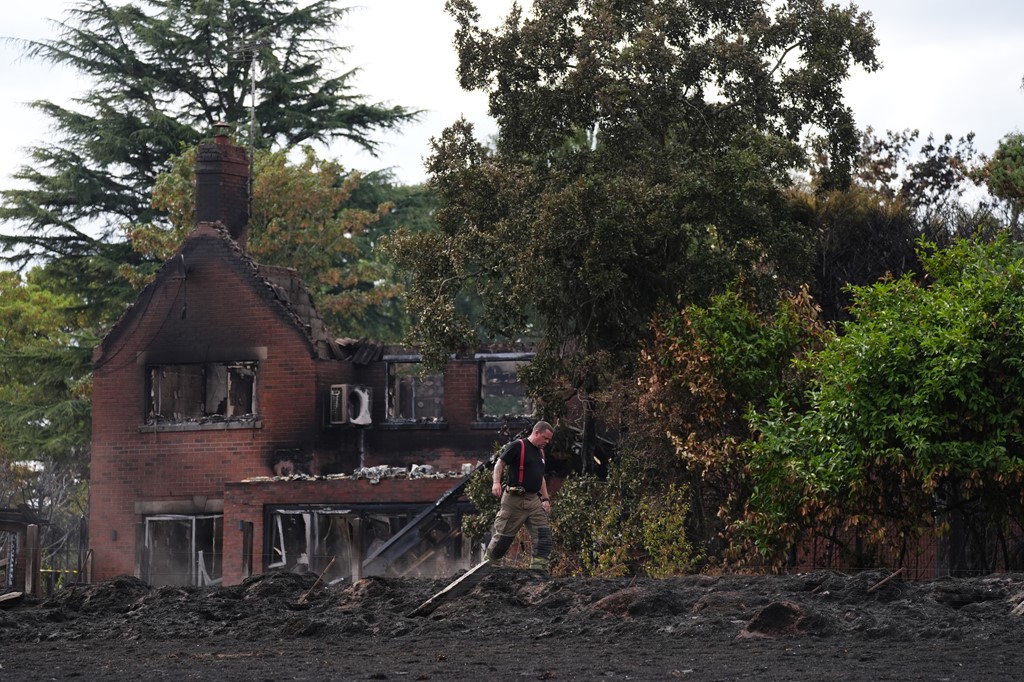
The scale of the fires has placed significant pressure on emergency services, with several major incidents declared across the country. Some blazes have spread from dry grassland into residential areas, destroying homes and forcing residents to evacuate.
Stourbridge in the West Midlands was among the areas badly affected after a major grassland fire spread into nearby properties, destroying homes as firefighters battled the flames under extremely difficult conditions.
Authorities have also issued emergency warnings to the public, urging people to avoid activities that could accidentally start fires. Restrictions have included warnings against barbecues and other activities capable of producing sparks or open flames.
The wildfire crisis has been intensified by the country’s worsening drought. England and Wales experienced their driest July on record, with England receiving only 6.5 millimetres of rainfall during the month, equivalent to just 10 per cent of its long term average. Southern England was particularly badly affected, with some areas recording almost no rainfall.
Nearly three quarters of England was officially classified as being in drought by August 10, while millions of people were living in areas affected by water restrictions. Falling river, reservoir and groundwater levels have added to concerns over the country’s ability to cope with prolonged dry weather.
While rain could help reduce fire danger by increasing surface moisture and cooling the ground, experts and officials remain concerned that isolated showers may not be sufficient to reverse months of accumulated dryness.
Forecasts indicate that some northern parts of the country could receive more substantial rainfall, while southern England may receive only occasional showers during the remainder of August. This uneven distribution means that some wildfire prone areas could remain extremely dry even as other regions become wetter.
The continuing crisis has raised broader concerns about Britain’s preparedness for increasingly frequent heatwaves, droughts and wildfires. Fire chiefs have warned that the wildfire season could extend well beyond its traditional period as hotter and drier conditions become more common.
Emergency services are therefore expected to remain on alert despite the arrival of cooler weather, while authorities continue efforts to protect communities, farmland, forests and critical infrastructure from further outbreaks.






Leave a comment