


By Benson Daniel
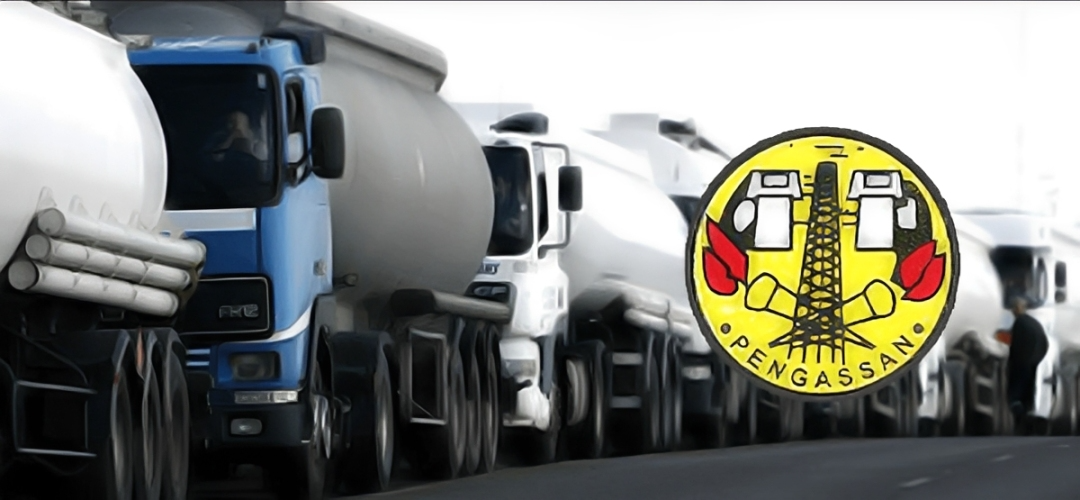
The Petroleum and Natural Gas Senior Staff Association of Nigeria has called for stronger efforts to open the African market to refined petroleum products from Nigeria, particularly those produced by the Dangote Petroleum Refinery.
The push comes as Nigeria seeks to strengthen its position as a major refining and petroleum products supply hub for the continent. The expansion of domestic refining capacity has created an opportunity for the country to reduce dependence on imported fuels while increasing exports to neighbouring African markets.
PENGASSAN said expanding access to regional markets would provide an important outlet for Nigeria’s growing refining capacity and strengthen the country’s position in the African energy market.
The development of the Dangote refinery has significantly changed Nigeria’s downstream petroleum landscape. With a capacity of about 650,000 barrels per day, the refinery has become a major source of refined products for both domestic consumption and export markets. Recent reports indicate that the facility has increasingly supplied products to several African destinations.
PENGASSAN’s position also comes at a time when West African countries are seeking greater regional cooperation in petroleum products trading and pricing. Regulators in the region are working towards establishing a regional fuel pricing benchmark and developing a more integrated fuel trading market.
Such a regional market could reduce Africa’s dependence on distant international supply sources and allow countries within the continent to benefit more directly from locally available refining capacity.
For Nigeria, increased exports of refined petroleum products could generate additional foreign exchange earnings, strengthen the downstream petroleum sector and improve the country’s trade balance.
It could also provide refiners with a larger market beyond Nigeria, helping them achieve economies of scale and maintain more consistent production levels.
The call is particularly significant because Nigeria has historically exported crude oil while importing large volumes of refined petroleum products. The expansion of domestic refining capacity is gradually changing that structure by allowing more crude to be processed locally.
However, industry stakeholders have stressed that access to sufficient and competitively priced crude remains crucial to sustaining refinery operations. Refiners have continued to push for improvements in domestic crude supply arrangements as feedstock costs remain a major factor affecting refining economics.
The Federal Government is currently considering reforms to crude allocation and pricing policies aimed at improving feedstock access for domestic refiners. The proposals include allowing producers to supply nearby refineries directly and providing pricing adjustments that reflect savings in transportation and handling costs.
PENGASSAN’s position therefore fits into a wider debate about how Nigeria can maximise the economic benefits of its growing refining capacity.
Greater regional exports could also support the development of related industries, including petroleum storage, transportation, shipping and trading.
Stakeholders believe that an integrated African petroleum market would improve supply security and reduce the vulnerability of individual countries to disruptions in international fuel markets.
Recent global supply disruptions have demonstrated the importance of having reliable regional sources of petroleum products. A stronger African refining and trading network could provide countries with alternative sources of supply while reducing their exposure to international market shocks.
For Nigeria, the opportunity extends beyond the Dangote refinery. As more domestic refineries become operational or increase production, the country could develop a broader refining ecosystem capable of supplying both domestic and regional demand.
PENGASSAN’s call therefore highlights the need for Nigeria to pursue policies that support competitive refining, efficient crude supply and easier access to African markets.
If successfully implemented, greater regional access for Nigerian refined products could strengthen the country’s energy security, create jobs, generate export revenue and establish Nigeria as a major petroleum products hub for Africa.









Leave a comment