


By Benson Daniel
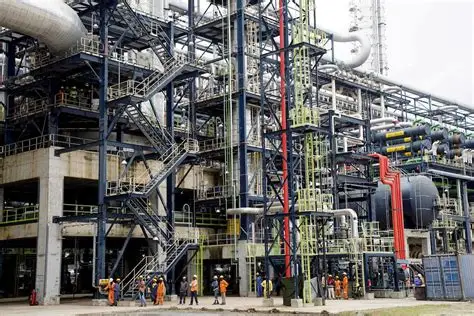
Dangote Petroleum Refinery has announced a reduction in the ex depot price of Premium Motor Spirit (PMS), popularly known as petrol, following the recent decline in global crude oil prices. The latest adjustment is expected to provide relief to marketers, transport operators, businesses and millions of consumers who have been grappling with the impact of high fuel costs.
The price review reflects changing conditions in the international oil market, where crude oil prices have softened in recent weeks due to improved supply outlooks and shifting global demand dynamics. As crude oil remains the primary feedstock for refined petroleum products, changes in its price often influence the cost of fuel production and distribution.
Industry stakeholders said the reduction demonstrates the growing influence of domestic refining on Nigeria’s downstream petroleum sector. They noted that the availability of locally refined petroleum products is helping to reduce dependence on imports while improving supply stability across the country.
The latest price cut is expected to trigger adjustments in pump prices by fuel marketers, although the extent of the reduction will depend on distribution costs, logistics, operating expenses and prevailing market conditions in different parts of the country. Consumers are optimistic that the development will ease transportation costs and moderate the prices of goods and services that have been affected by rising energy expenses.
Economic analysts believe lower petrol prices could have a positive impact on inflation by reducing production and distribution costs for businesses. They explained that transportation remains a major component of operating expenses for manufacturers, farmers, traders and service providers, making fuel price movements an important factor in the overall economy.
The adjustment also reinforces the role of the Dangote Refinery in improving energy security and increasing competition within Nigeria’s downstream oil industry. With its large refining capacity, the facility is expected to enhance the availability of petroleum products, reduce supply disruptions and contribute to greater price stability over time.
Operators in the transport sector welcomed the development, expressing hope that sustained reductions in fuel prices would lower operating costs and improve affordability for commuters. Many businesses also expect the adjustment to reduce logistics expenses, especially for companies involved in manufacturing, agriculture and retail distribution.
Experts, however, observed that fluctuations in international crude oil prices could continue to influence domestic fuel prices. They stressed the importance of maintaining efficient refinery operations, strengthening distribution networks and ensuring healthy competition among market participants to deliver lasting benefits to consumers.
The Federal Government has continued to encourage increased local refining capacity as part of broader efforts to strengthen energy independence, reduce foreign exchange demand associated with fuel imports and support economic growth. The expansion of domestic refining is also expected to create employment opportunities, stimulate industrial development and improve value addition within the oil and gas sector.
As global oil market conditions continue to evolve, stakeholders believe the latest reduction in petrol prices represents a positive step toward a more competitive and resilient downstream petroleum industry. They expressed optimism that sustained improvements in local refining capacity and market efficiency will continue to deliver more stable fuel prices, enhance energy security and support Nigeria’s long term economic development.










Leave a comment