


By Benson Daniel
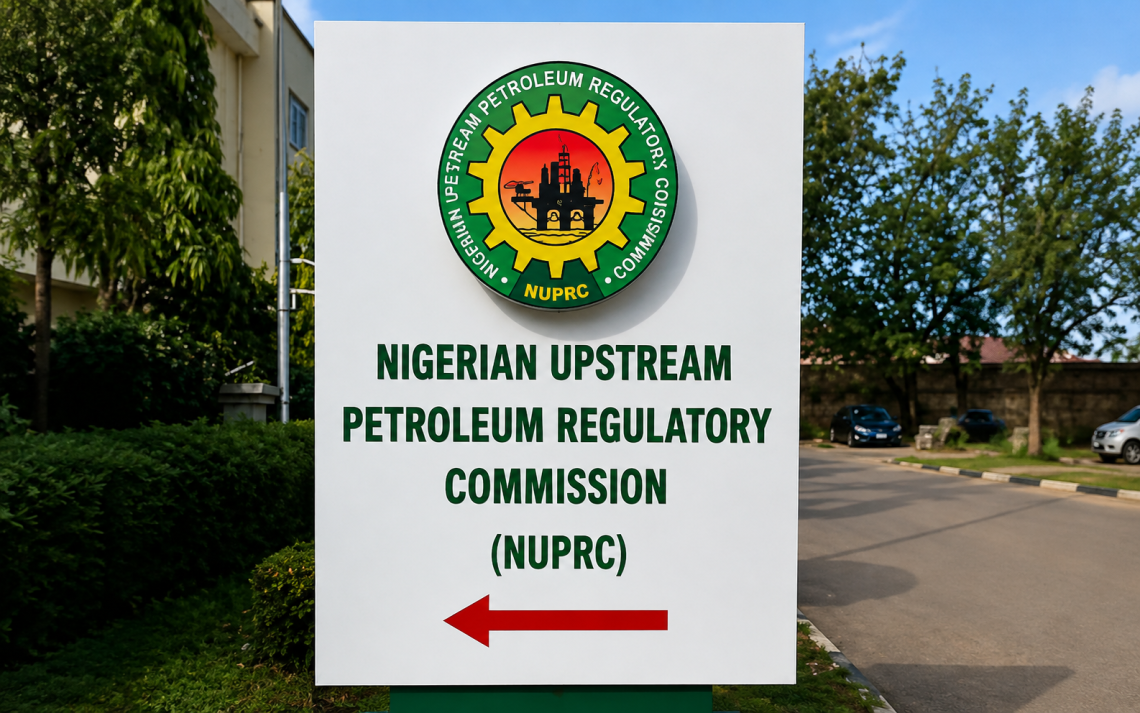
Nigeria’s upstream petroleum sector has attracted significant investment momentum, with the Nigerian Upstream Petroleum Regulatory Commission (NUPRC) approving more than 57 billion dollars worth of oil and gas development plans since 2024. The development underscores renewed investor confidence in the country’s energy industry following ongoing regulatory reforms aimed at boosting production and unlocking new investments.
The Commission disclosed that the approvals cover a wide range of upstream projects, including field development plans, oil and gas infrastructure, production enhancement programmes and exploration activities designed to increase Nigeria’s crude oil and natural gas output. The projects are expected to strengthen the country’s position as one of Africa’s leading energy producers while supporting long term economic growth.
According to the Commission, the approved investments reflect growing confidence among both local and international investors in Nigeria’s upstream sector. Industry operators have continued to commit capital to new developments following policy measures introduced to improve transparency, regulatory certainty and operational efficiency within the petroleum industry.
Officials noted that the investment approvals are expected to create thousands of direct and indirect jobs across the oil and gas value chain. Beyond employment, the projects are projected to stimulate demand for local goods and services, encourage technology transfer and expand opportunities for indigenous companies participating in upstream operations.
The NUPRC also emphasised that increased investment in field development will help raise crude oil production, improve natural gas utilisation and support Nigeria’s ambition of maximising the value of its hydrocarbon resources. Several of the approved projects include gas development initiatives intended to boost domestic gas supply, support industrialisation and improve energy security.
Industry experts believe the growing investment commitments demonstrate that reforms implemented under the Petroleum Industry Act are gradually improving the attractiveness of Nigeria’s oil and gas sector. They noted that a more predictable regulatory environment has encouraged operators to move forward with projects that had previously faced delays due to uncertainty.
Analysts further observed that sustained investment in upstream development is essential to reversing production declines and enabling Nigeria to meet its production targets. Increased exploration and field development are expected to enhance reserve replacement, improve export earnings and generate higher government revenues through taxes, royalties and other statutory payments.
The approvals also come at a time when global energy demand remains resilient despite the ongoing transition towards cleaner energy sources. Industry stakeholders argue that Nigeria still has substantial opportunities to monetise its vast oil and gas reserves while simultaneously expanding natural gas as a cleaner transition fuel capable of supporting domestic industries and electricity generation.
Experts, however, stressed that maintaining the current investment momentum will require continued policy consistency, improved security around oil producing communities and critical infrastructure upgrades. Addressing crude oil theft, pipeline vandalism and operational bottlenecks, they said, will be vital to ensuring that approved projects are delivered on schedule and achieve their expected economic benefits.
With more than 57 billion dollars in approved development plans since 2024, the NUPRC believes Nigeria’s upstream sector is entering a new phase of expansion driven by stronger investor confidence and improved regulatory oversight. If successfully implemented, the projects are expected to boost oil and gas production, strengthen foreign exchange earnings, increase government revenue and reinforce the petroleum industry’s role as a key driver of Nigeria’s economic development.











Leave a comment