


By Benson Daniel
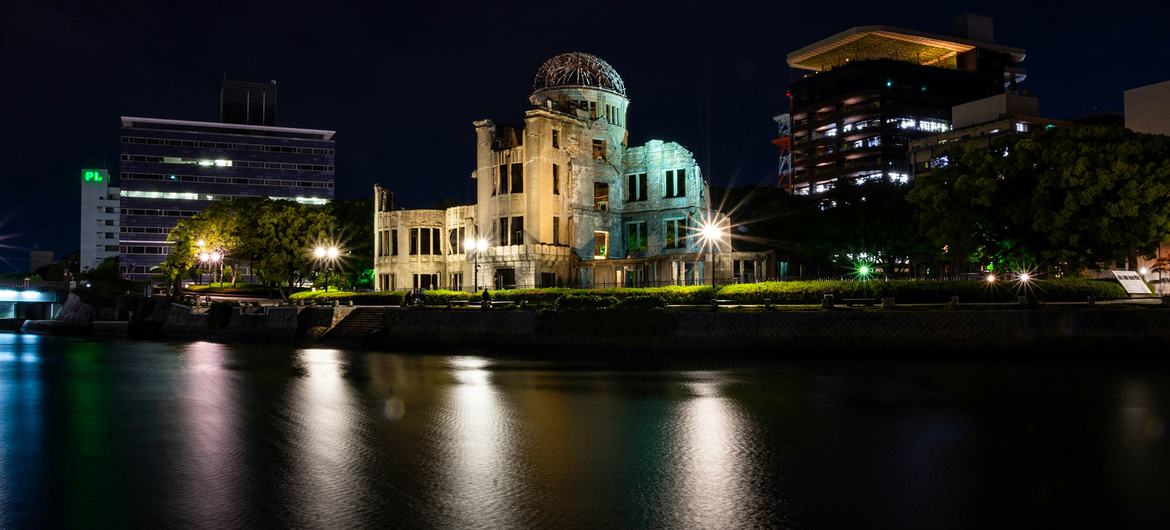
HIROSHIMA, Japan — Hiroshima on Thursday commemorated the 81st anniversary of the world’s first wartime atomic bombing with solemn ceremonies, emotional tributes and renewed calls for the elimination of nuclear weapons.
Thousands of survivors, government officials, diplomats and visitors gathered at Hiroshima Peace Memorial Park to observe a moment of silence at 8:15 a.m., the exact time the United States dropped the atomic bomb on the city on August 6, 1945. The explosion instantly killed tens of thousands of people, while many more later died from injuries and radiation related illnesses. By the end of that year, an estimated 140,000 lives had been lost.
Despite the painful memories of one of history’s greatest human tragedies, this year’s remembrance focused not only on mourning but also on promoting hope and international cooperation. Survivors, known as hibakusha, urged world leaders to strengthen efforts toward nuclear disarmament and ensure future generations never experience the horrors of nuclear warfare.
Speaking during the memorial ceremony, Hiroshima Mayor Kazumi Matsui stressed that lasting peace can only be achieved through dialogue, mutual understanding and the complete abolition of nuclear weapons. He warned that growing global tensions and ongoing conflicts have increased the risks of nuclear confrontation, making the lessons of Hiroshima more relevant than ever.
Japanese Prime Minister Shigeru Ishiba also reaffirmed Japan’s commitment to working with the international community to reduce nuclear threats while promoting global stability. He acknowledged the suffering endured by the victims and pledged continued support for survivors whose testimonies remain powerful reminders of the devastating consequences of war.
Throughout the day, flowers were laid at memorial sites, paper cranes symbolizing peace were offered by schoolchildren, and thousands of lanterns were prepared for evening ceremonies to honor those who perished. Many participants described the event as both a remembrance of the past and a call to build a future free from nuclear weapons.
As the number of surviving witnesses continues to decline with age, educators and peace organizations are intensifying efforts to preserve their stories through digital archives, museums and educational programs. Officials believe these initiatives will help ensure younger generations understand the catastrophic humanitarian impact of nuclear conflict.
The Hiroshima Peace Memorial Museum has also witnessed increasing international interest, attracting visitors from across the world seeking to learn about the devastating effects of the bombing and the city’s remarkable recovery into a global symbol of resilience and peace.
Eighty one years after the destruction that reshaped history, Hiroshima stands not only as a reminder of humanity’s darkest moments but also as a beacon of hope, reconciliation and the enduring pursuit of a world where nuclear weapons are never used again.










Leave a comment