


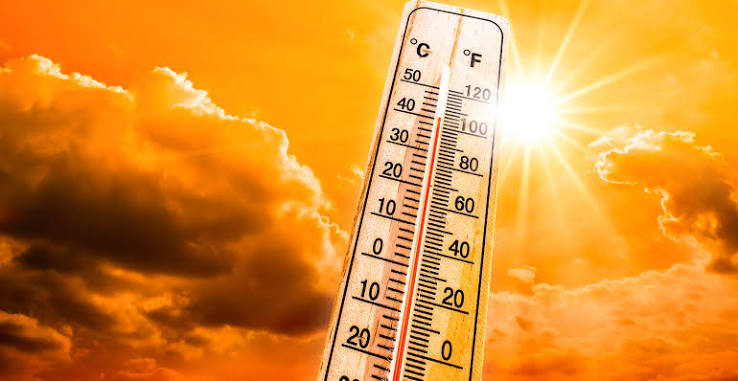
France is facing growing pressure to adapt to more frequent and intense heatwaves as rising temperatures pose increasing risks to its ageing population, prompting renewed calls for stronger climate resilience measures.
Successive summers of extreme heat have exposed the vulnerability of elderly people, who account for a disproportionate share of heat-related illnesses and deaths. Health officials and climate experts say the country must accelerate efforts to protect older residents as climate change makes heatwaves longer, hotter and more frequent.
The challenge is particularly acute in France, where one of Europe’s oldest populations is increasingly vulnerable to prolonged periods of extreme heat. Authorities have expanded early warning systems, opened cooling centres and urged families and neighbours to regularly check on elderly people living alone during heat emergencies.
The issue has revived painful memories of the 2003 European heatwave, which claimed nearly 15,000 lives in France, many of them elderly people living in isolation. Since then, the government has introduced national heat action plans, but experts warn that existing measures may not be sufficient as temperatures continue to rise.
Climate scientists say urban areas are especially at risk because concrete buildings and paved streets trap heat, creating “urban heat islands” that can keep nighttime temperatures dangerously high. They recommend increasing green spaces, improving building insulation and redesigning cities to better cope with extreme weather.
The French government has pledged to strengthen climate adaptation policies, including investments in healthcare, housing and urban planning, to help communities withstand future heatwaves. Officials also stress the importance of public awareness campaigns encouraging hydration, reduced outdoor activity during peak temperatures and community support for vulnerable residents.
Experts warn that with climate change expected to intensify over the coming decades, France’s ability to protect its ageing population will become an increasingly important test of its public health and climate adaptation strategies.











Leave a comment