


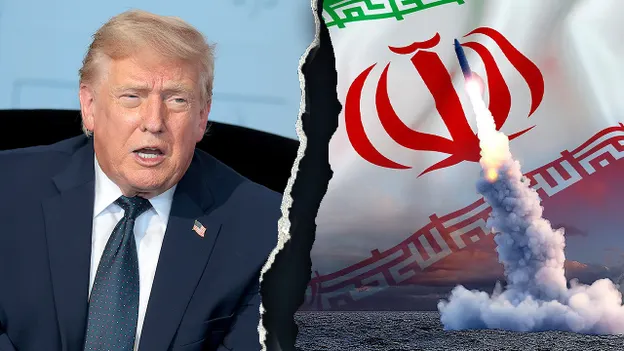
The United States carried out airstrikes against Iranian military targets for a ninth consecutive day on Sunday, as Iran said two oil tankers exploded and were left immobilised in the Strait of Hormuz, further raising fears over the security of one of the world’s busiest energy shipping routes.
U.S. forces continued strikes targeting Iranian missile sites, air defence systems, military logistics hubs and other strategic infrastructure as Washington intensified its campaign against Tehran. U.S. officials said the operations were aimed at reducing Iran’s military capabilities and protecting international shipping in the Gulf.
Iranian authorities said on Sunday that two oil tankers transiting the Strait of Hormuz were struck by explosions and left immobilised. Tehran accused the United States of escalating the conflict and warned that continued attacks on Iran would further destabilise the region. Iranian officials did not immediately provide details on the vessels’ ownership, cargo or whether there were any casualties.
The Strait of Hormuz, located between Iran and Oman, is one of the world’s most critical maritime chokepoints, carrying roughly 20% of global seaborne oil exports and a significant share of liquefied natural gas shipments. Any disruption to shipping through the narrow waterway has the potential to affect global energy supplies and international trade.
The reported tanker explosions came after days of escalating military exchanges between Washington and Tehran, including U.S. strikes on Iranian military infrastructure and Iranian missile attacks on American military facilities and strategic sites in Gulf countries. Regional governments have stepped up security around ports, energy facilities and shipping lanes amid fears that the conflict could widen further.
International shipping companies are closely monitoring developments, with several operators reviewing vessel movements and security measures in the Gulf. Energy markets also remained volatile as traders weighed the possibility of prolonged disruptions to oil exports from the region.
The United Nations, the European Union and several regional governments have renewed calls for an immediate ceasefire and a return to diplomacy, warning that further escalation could threaten global energy security, disrupt maritime commerce and increase the risk of a broader conflict across the Middle East.











Leave a comment