


By Benson Daniel
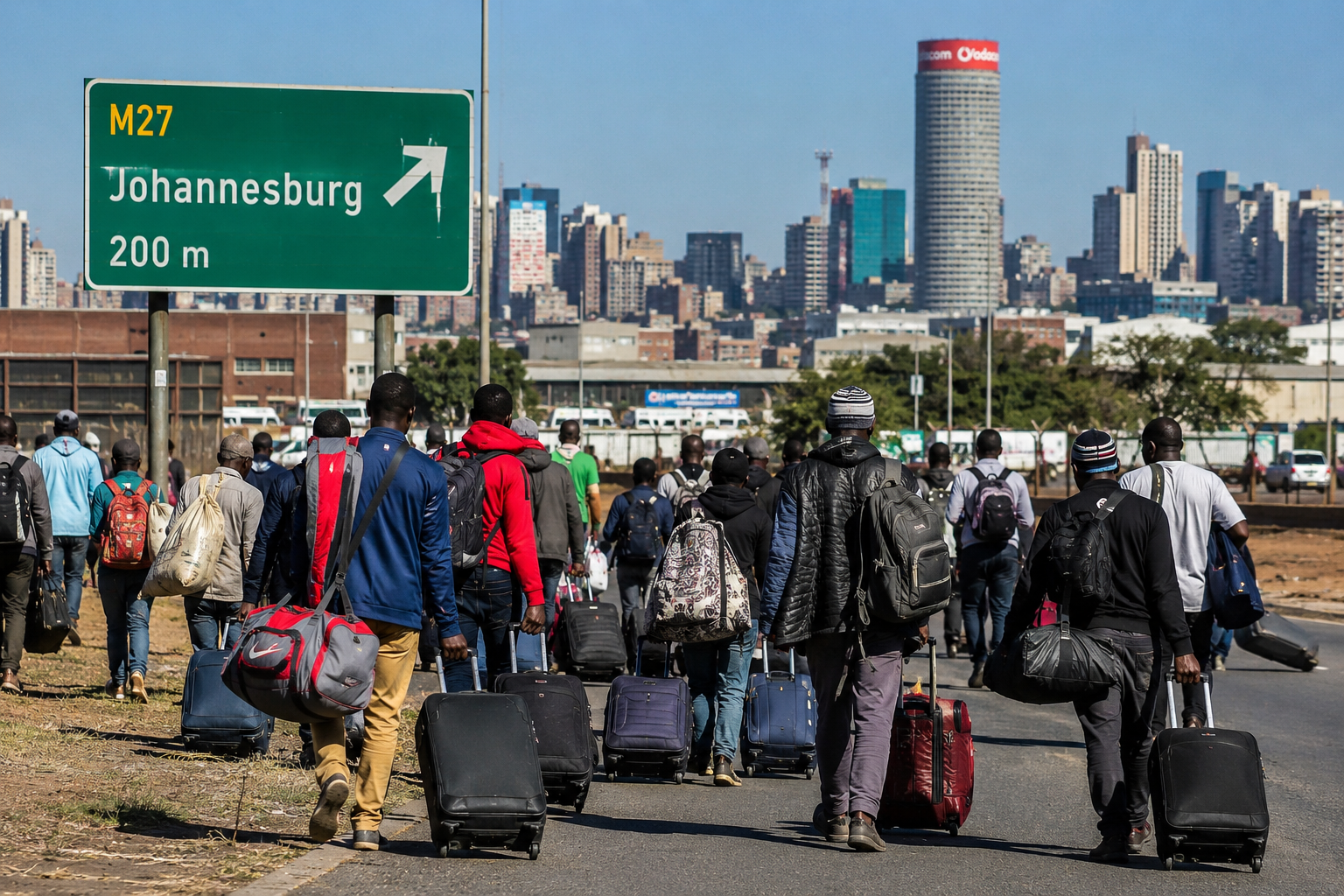
South Africa is facing growing concerns over the economic impact of a declining migrant workforce, as an increasing number of foreign workers leave the country amid rising insecurity, economic uncertainty and tightening immigration policies.
For decades, migrants from neighbouring countries have played a vital role in sectors such as agriculture, mining, construction, hospitality, healthcare and domestic services. Their departure is now creating labour shortages in industries that have traditionally depended on foreign workers to fill positions that are often difficult to recruit for locally.
Business leaders warn that the shrinking migrant workforce could further strain an economy already grappling with slow growth, high unemployment, persistent power supply challenges and declining investment. Employers say many businesses are struggling to replace experienced workers, resulting in higher operating costs and disruptions to production.
Economists note that while South Africa continues to battle one of the world’s highest unemployment rates, many migrants occupy specialised or labour-intensive roles that local employers have found difficult to fill. They argue that a balanced immigration policy is essential to supporting key industries while protecting employment opportunities for South African citizens.
The migration trend has also affected cross-border trade and small businesses, with many entrepreneurs relocating to neighbouring countries or returning home due to concerns over safety, business uncertainty and changing economic conditions. This has reduced economic activity in several urban centres where migrant-owned enterprises have long contributed to local commerce.
Analysts believe South Africa’s long-term economic recovery will depend on creating an environment that encourages investment, supports business growth and provides policy certainty for both local and foreign workers. They also stress the importance of addressing infrastructure constraints, improving public safety and implementing labour market reforms to strengthen productivity.
Stakeholders have called for greater regional cooperation among Southern African nations to manage labour migration more effectively while promoting economic integration and shared development across the region.
As South Africa works to revive its economy, experts say maintaining a skilled and productive workforce—regardless of nationality—will remain crucial to supporting growth, sustaining key industries and enhancing the country’s competitiveness in an increasingly challenging global economy.











Leave a comment