


By Benson Daniel
Mexico’s efforts to secure relief from United States tariffs are facing fresh challenges as a rapid increase in imports of Chinese-made heavy trucks raises concerns in Washington over trade compliance and regional manufacturing rules.
United States officials are increasingly scrutinising the growing presence of Chinese commercial vehicle manufacturers in Mexico amid fears that the country could become a gateway for Chinese companies seeking easier access to the North American market. The development comes as Mexico continues negotiations aimed at easing trade barriers and preserving the competitiveness of the regional supply chain.
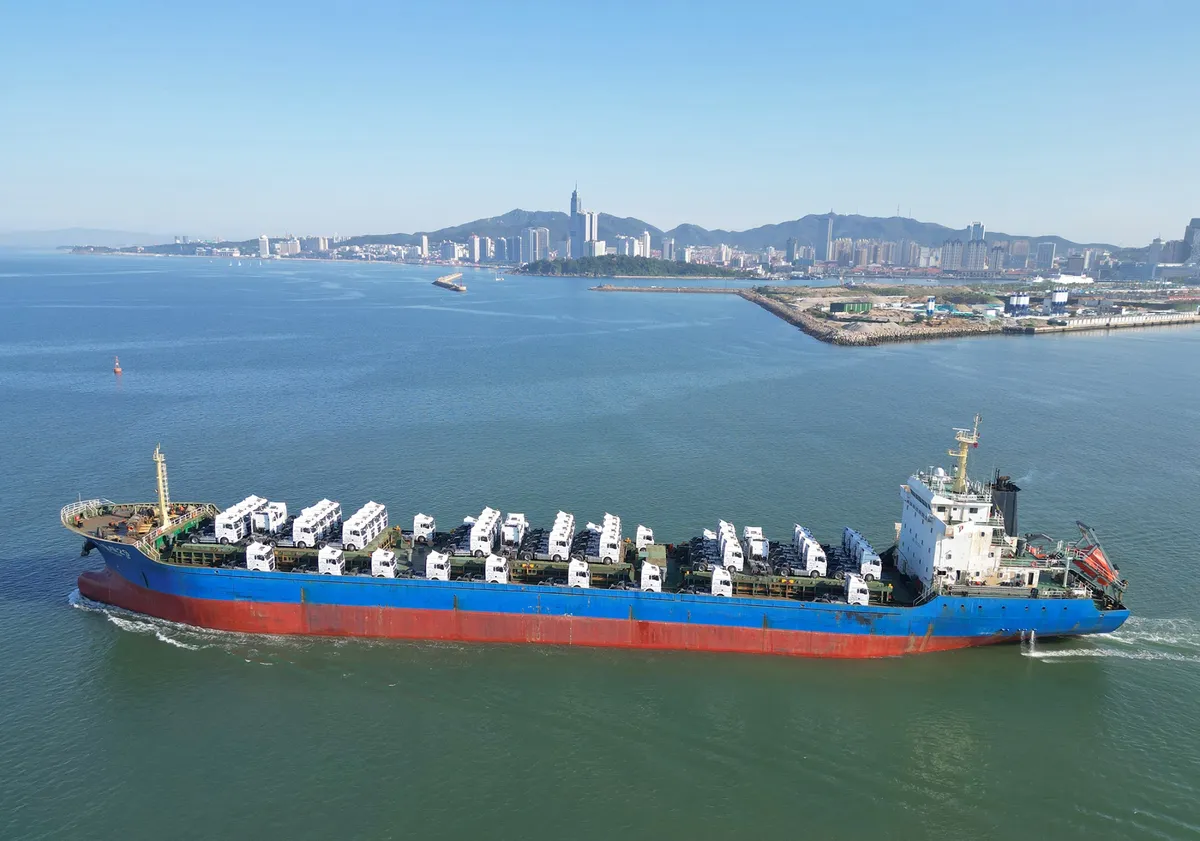
Industry data indicate that imports of Chinese heavy trucks into Mexico have expanded sharply in recent years, while the number of Chinese truck manufacturers operating in the country has risen significantly. The trend has heightened concerns among domestic producers and US policymakers over the potential impact on North American manufacturing and the integrity of regional trade agreements.
The issue has emerged at a sensitive time, with Mexico seeking favourable outcomes in ongoing trade discussions with the United States under the framework of the United States Mexico Canada Agreement (USMCA). American officials have signalled that stronger safeguards may be required to ensure that Chinese manufacturers do not use Mexico as a production or distribution hub to circumvent existing US trade restrictions.
Mexican authorities have maintained that they remain committed to strengthening North American supply chains while continuing to attract foreign investment. However, balancing economic ties with China and preserving preferential access to the US market is becoming increasingly complex as geopolitical and trade tensions continue to evolve.
Trade analysts say the growing presence of Chinese vehicle manufacturers in Mexico reflects broader shifts in global supply chains, with companies seeking alternative production and export bases amid rising tariffs and changing trade policies. While the investments could generate jobs, stimulate industrial growth and expand Mexico’s manufacturing capacity, they also risk attracting increased scrutiny from US regulators concerned about fair competition and compliance with regional trade rules.
Experts believe the outcome of the ongoing trade negotiations will have significant implications for the automotive and commercial vehicle industries across North America. They note that any tightening of trade rules or additional tariff measures could reshape investment decisions, supply chains and cross-border manufacturing strategies in the years ahead.
The developments underscore the delicate balance Mexico must maintain as it seeks to deepen foreign investment, strengthen domestic manufacturing and retain its strategic trade relationship with the United States while managing growing commercial ties with China.











Leave a comment