


By Benson Daniel
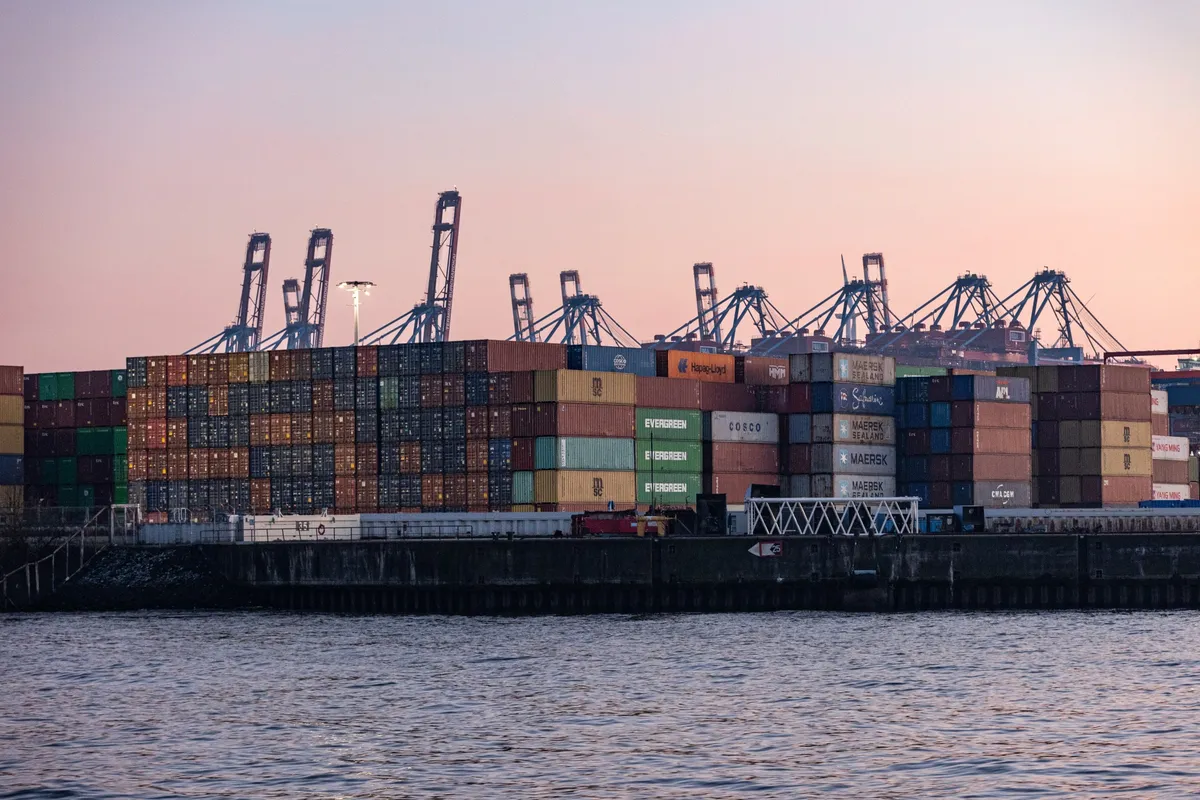
The European Central Bank (ECB) has warned that escalating global trade tensions are beginning to weigh on credit conditions across the euro area, raising concerns about lending activity, business investment and broader economic growth.
In its latest financial stability assessment, the central bank said growing uncertainty surrounding international trade has increased risks for businesses and financial institutions, prompting lenders to adopt a more cautious approach to extending credit. The ECB noted that prolonged geopolitical and trade-related disputes could further dampen investor confidence and slow economic activity across the region.
According to the bank, weaker credit dynamics have been reflected in tighter lending standards, softer demand for business loans and increased caution among financial institutions as companies reassess investment plans amid uncertain global market conditions.
The ECB said businesses exposed to international trade are particularly vulnerable to higher tariffs, supply chain disruptions and fluctuating export demand. These challenges have contributed to weaker financing conditions for firms seeking capital to expand operations, invest in new technologies or increase production capacity.
Economic analysts believe the warning underscores the growing impact of global trade disputes on Europe’s financial system. They argue that sustained uncertainty could reduce private sector investment, limit job creation and place additional pressure on economic recovery at a time when inflation remains a key concern for policymakers.
Despite the emerging challenges, the ECB said the region’s banking sector remains resilient, supported by stronger capital buffers and improved liquidity positions. However, the institution stressed that policymakers and financial institutions must remain vigilant to evolving risks that could affect credit quality and financial stability.
Market participants will continue to monitor developments in global trade relations, as any further deterioration could influence lending activity, borrowing costs and investment decisions across the euro area. Economists say restoring confidence through stable trade policies and improved international cooperation will be essential to sustaining long-term economic growth.










Leave a comment