


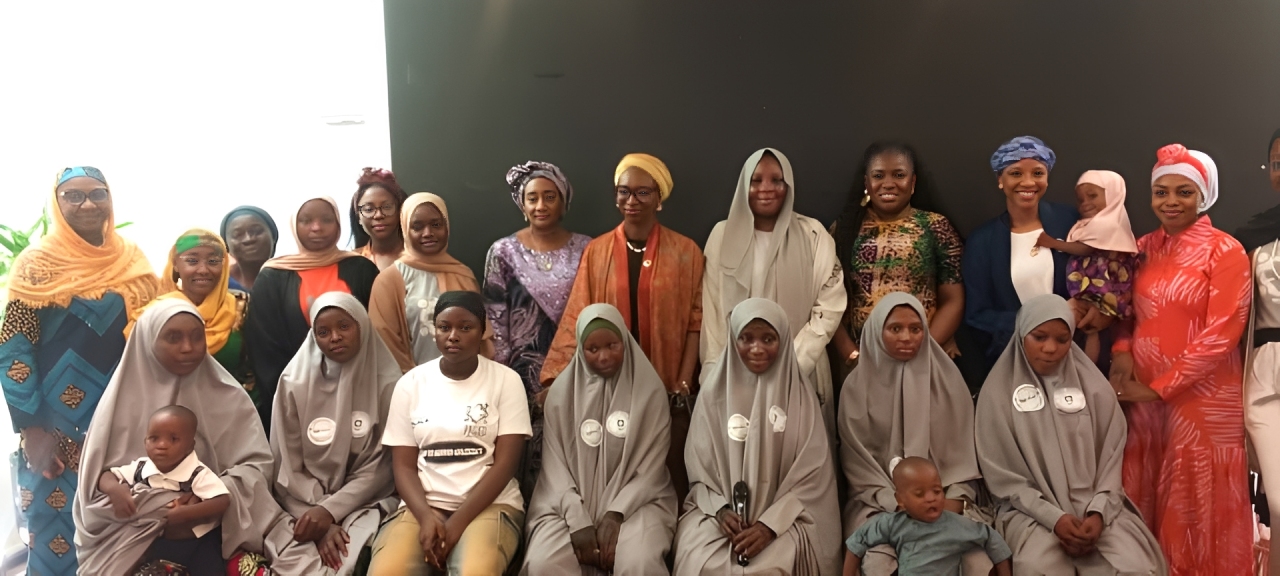
As reported by the News Agency of Nigeria (NAN), young female filmmakers and education stakeholders have called on governments, development partners and policymakers to intensify efforts to end child marriage and school dropout while guaranteeing every girl’s right to quality education across Nigeria.
The call was made during the “Stories that Move Policy: A Malala Day Film Screening”, organised by Malala Fund Nigeria and the Participatory Communication for Gender Development Initiative in Abuja.
The event celebrated girls as filmmakers, storytellers and advocates, showcasing how their creativity and personal experiences are helping shape public discourse and influence policy reforms aimed at improving access to education for girls.
A major highlight of the event was CIKAS, a short film written, directed and produced by girls under the Participatory Communication for Gender Development Initiative. The film highlighted challenges such as poor access to education, inadequate school facilities and financial hardship, which continue to force many girls out of school.
Programme Director of the Participatory Communication for Gender Development Initiative, Ms Ummi Bukar, said the project was designed to provide girls, especially married adolescents, with a platform to share their experiences and advocate for their rights through storytelling.
According to her, giving young women the opportunity to tell their own stories allows communities and policymakers to better understand the realities behind the challenges they face.
She noted that community engagements revealed improvements in girls’ enrolment in some areas, but many still fail to complete secondary education because of persistent social and economic barriers.
Bukar identified child marriage as one of the leading causes of school dropout among girls, adding that many married adolescent girls remain eager to return to school if given the opportunity.
She urged policymakers to address barriers beyond enrolment by providing adequate sanitation facilities, childcare support and conducive learning environments for married and pregnant adolescent girls.
Chief Executive Officer of Malala Fund Nigeria, Ms Nabila Aguele, described the event as a demonstration of the power of girls telling their own stories through film, advocacy and community engagement.
She said the films highlighted challenges including long distances to schools, poor infrastructure, inadequate menstrual hygiene facilities and the prevalence of child marriage.
Aguele added that another film documented the experiences of married and pregnant adolescent girls who expressed a strong determination to continue their education despite discrimination and other societal barriers.
She said more than 23 million girls in Nigeria were married before the age of 18, stressing that they deserve the opportunity to return to school, build better futures and help break the cycle of poverty.
Aguele also disclosed that representatives of the Federal Ministries of Education, Women Affairs, and Arts, Culture, Tourism and the Creative Economy pledged to strengthen advocacy efforts aimed at improving girls’ education.
Representing the Federal Ministry of Education, the Director of Basic Education, Dr Folake Olatunji David, through Assistant Director Dr Efi Anam, said the ministry had developed national guidelines to support the re entry of girls into school after pregnancy.
She called on civil society organisations to support the domestication and implementation of the policy across states to ensure pregnant and adolescent girls continue their education without interruption.
The Minister of Women Affairs, Hajiya Imaan Sulaiman Ibrahim, represented by Mrs Halima Oyelade, reaffirmed the ministry’s commitment to collaborating with development partners and the private sector to empower girls across the country.
Also speaking, the Director General of the Centre for Black and African Arts and Civilization, Mrs Aisha Adamu Augie, described storytelling as a powerful tool for changing social norms and influencing public policy.
She said allowing girls to share their own experiences makes their realities more relatable and strengthens advocacy for reforms that promote education, inclusion and gender equality.
Several girls who participated in the event shared personal stories of overcoming pregnancy, child marriage and other social challenges while remaining determined to pursue their education.
They appealed to governments and policymakers to implement programmes that guarantee access to quality education for married adolescent girls and women seeking opportunities to return to school.









Leave a comment