


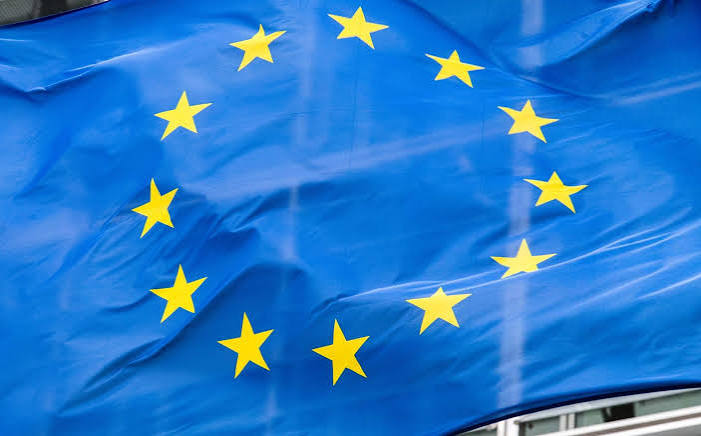
European Union member states have yet to reach an agreement on a new package of sanctions against Russia, with negotiations continuing over measures aimed at increasing economic pressure on Moscow over its war in Ukraine.
EU officials are working to finalize what would become the bloc’s 21st sanctions package, targeting key sectors of the Russian economy, including energy, maritime transport and financial networks. The proposed measures also seek to tighten restrictions on Russia’s so called shadow fleet of oil tankers, which Western governments say has been used to circumvent existing sanctions.
Discussions have been slowed by disagreements among member states over several proposals, including a lower price cap on Russian oil exports, additional restrictions on liquefied natural gas and new measures affecting maritime services. Diplomats say negotiations are continuing in an effort to secure unanimous approval, which is required for EU sanctions.
If approved, the package would expand the list of sanctioned individuals and entities, strengthen measures against companies supporting Russia’s military industrial sector and impose further restrictions on organizations accused of facilitating cyber operations and other destabilizing activities.
European leaders say the proposed sanctions are intended to reduce Russia’s ability to finance its military campaign while maintaining pressure for an end to the conflict. Moscow has repeatedly condemned Western sanctions, arguing they are illegal and ineffective, while the EU insists the measures are necessary to respond to Russia’s actions in Ukraine.







Leave a comment