


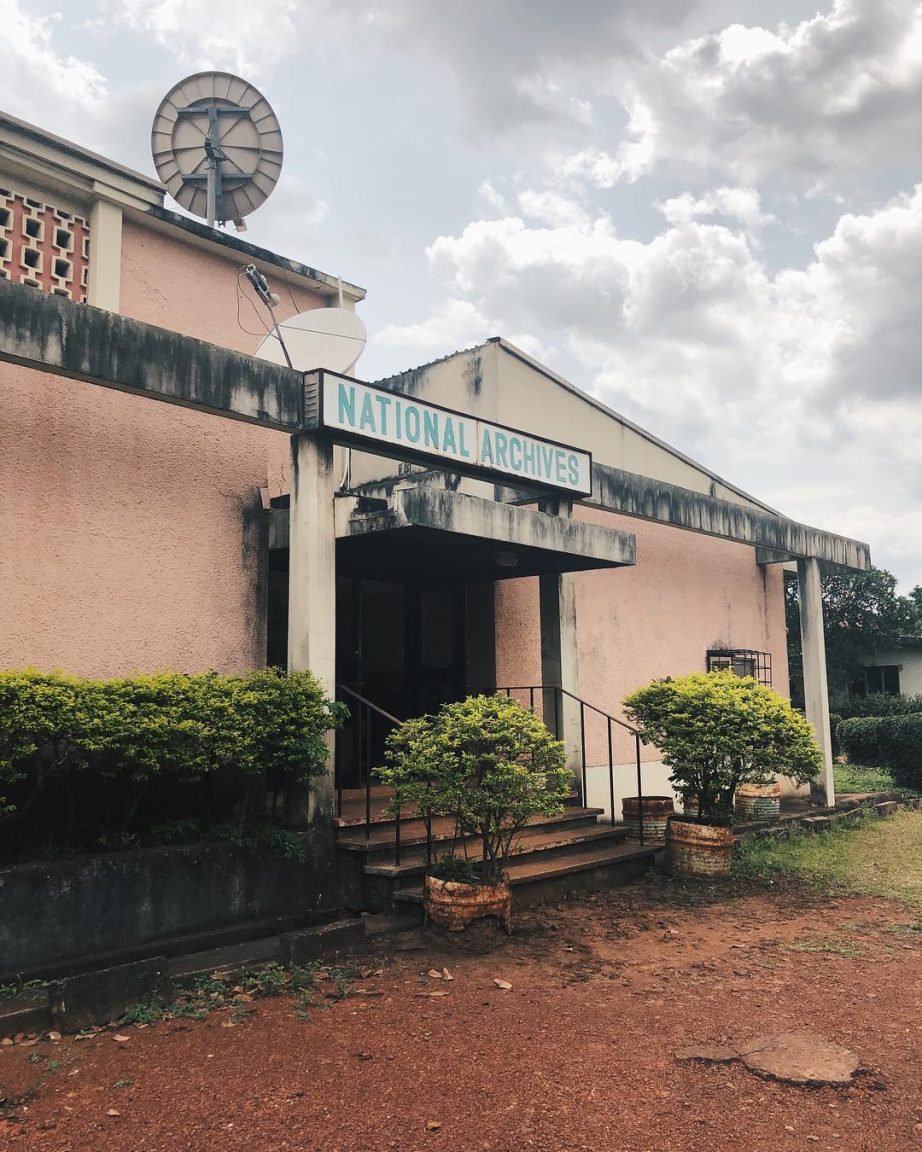
Nigeria’s documentary heritage is preserved in three National Archives located in Ibadan, Enugu, and Kaduna, where millions of historical records dating back more than a century provide valuable insights into the country’s political, cultural, and social evolution.
The archives house a wide range of materials, including government documents, private letters, newspapers, photographs, maps, court records, official gazettes, and Arabic manuscripts. Although these collections are open to researchers and members of the public, they remain largely unknown to many Nigerians.
The National Archives were established through the efforts of renowned Nigerian historian Kenneth Dike. In 1949, while examining government records, Dike discovered that many important historical documents had been severely damaged due to poor storage conditions, insect infestation, and neglect. His campaign to preserve these materials eventually led to the creation of the National Archives, ensuring that Nigeria’s documentary history would be safeguarded for future generations.
The Ibadan branch, situated within the University of Ibadan, is the largest archive in the country and was officially opened on January 9, 1959. It was also the first purpose-built archival facility in tropical West Africa. The centre preserves records from the South-West and parts of the former Bendel region, including colonial administrative files, family papers, newspapers, maps, photographs, church records, official publications, court documents, and government correspondence.
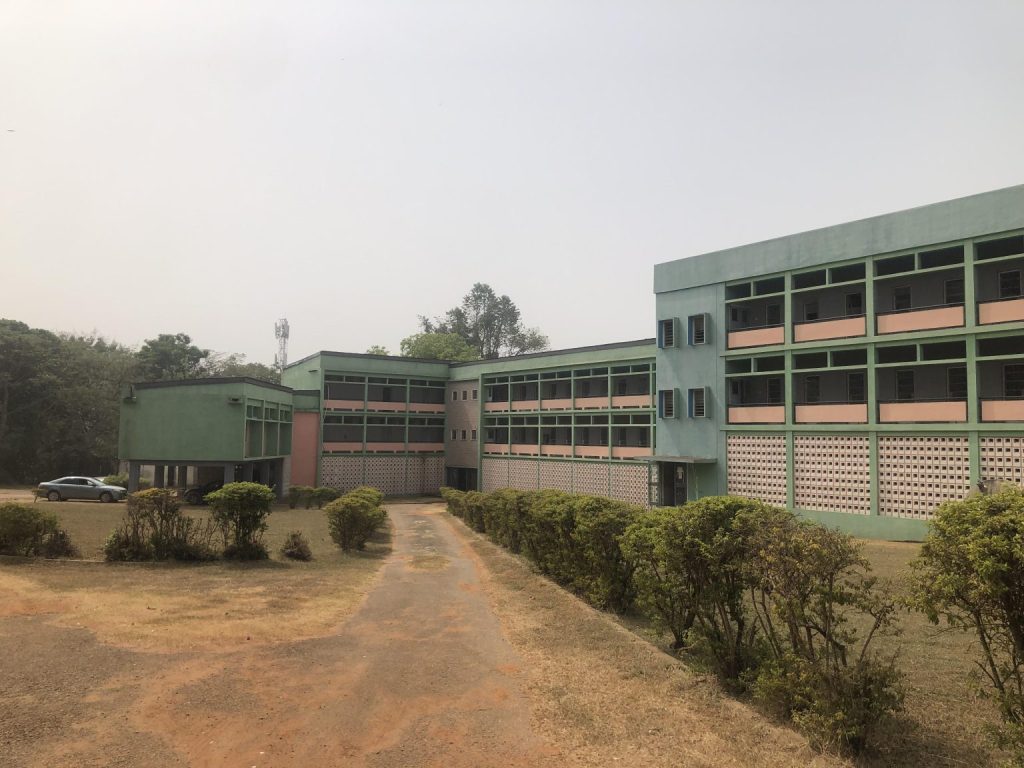
One of the archive’s notable attractions is its extensive newspaper collection, which offers a detailed account of Nigeria’s political development over several decades. Visitors can register at the facility, pay a modest fee, and access up to six files during each research session.
The Enugu branch specialises in historical records relating to southeastern Nigeria. Its collections include colonial government files, court records, missionary documents, personal letters, petitions, and native authority records dating from the late nineteenth century to 1960.
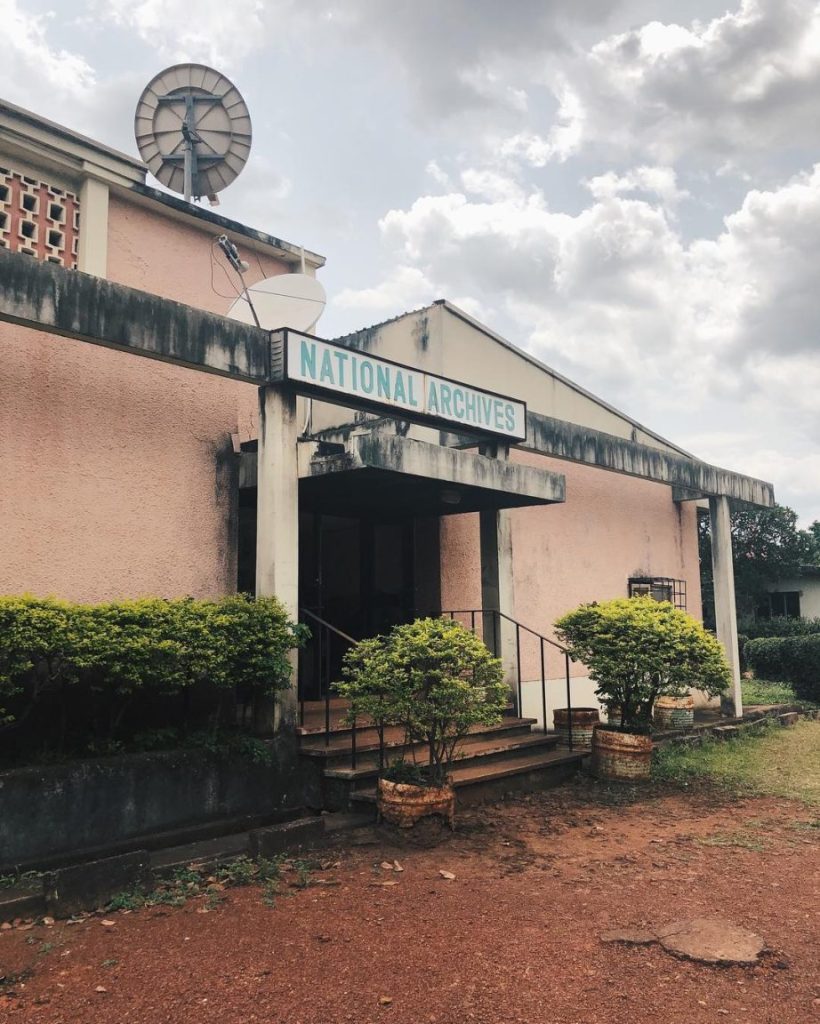
The archive provides researchers with valuable information on British colonial administration, regional politics, commercial activities, and the events leading up to the Nigerian Civil War. First-time visitors are required to register with a passport photograph before accessing the collections.
In northern Nigeria, the Kaduna branch is home to one of the country’s richest collections of Arabic and Hausa historical manuscripts. The archive contains thousands of documents dating from the eighteenth century through the early twentieth century, covering religious teachings, legal matters, political administration, and correspondence from the Sokoto Caliphate and the colonial era.

Beyond these manuscripts, the Kaduna archive also preserves more than 40,000 volumes of colonial and post-independence government records, annual reports, provincial files, and documents relating to local authorities, traders, and missionaries.
Despite their historical significance, the three National Archives continue to face challenges, including ageing infrastructure, inadequate funding, humidity, and pest infestation, all of which threaten the long-term preservation of some collections.
While digitisation projects supported by international partners have helped protect a number of vulnerable documents, many historical records remain available only through physical visits to the archives.
Experts say greater public awareness, improved funding, and continued preservation efforts will be crucial to ensuring that Nigeria’s rich documentary heritage remains accessible for future generations.
Source: The Guardian Life











Leave a comment