


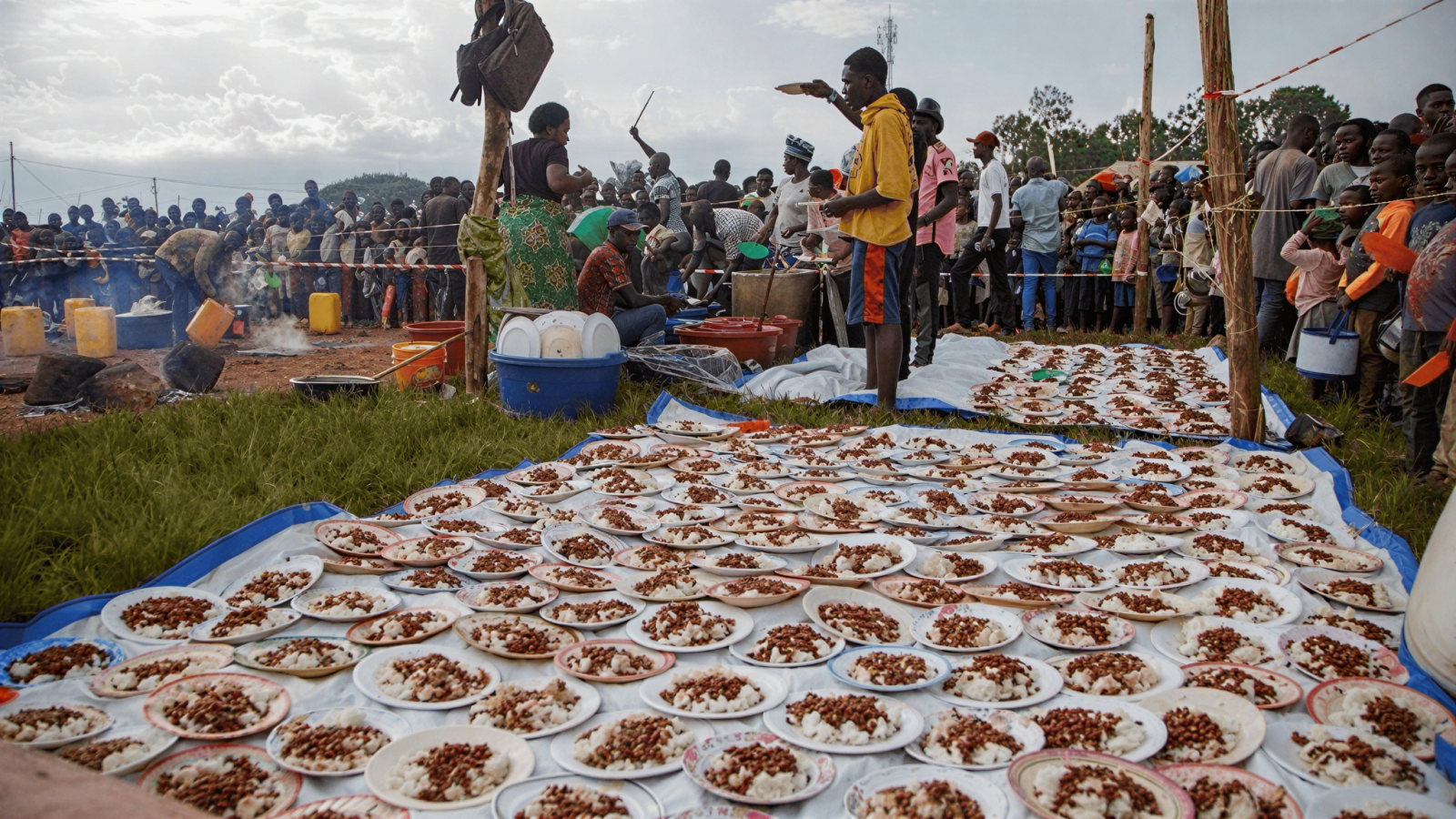
The Allied Democratic Forces (ADF), an armed group operating in the Democratic Republic of Congo (DRC), has increasingly turned to mass kidnappings for ransom as a means of financing its operations amid reports of declining financial support.
The ADF is publicly affiliated with the Islamic State’s Central Africa Province (ISCAP), a regional branch of the Islamic State. The group operates mainly in eastern DRC and parts of Uganda, with a presence in Beni and Lubero in North Kivu, as well as Irumu, Djugu, and Mambasa in Ituri Province.
According to sources familiar with the group’s activities, the ADF has increasingly relied on kidnapping, illegal taxation, and banditry to sustain its operations as funding from the Islamic State has reportedly declined due to ongoing counterterrorism campaigns targeting the extremist group across Africa.
In Lubero, Irumu, and Mambasa, the group has reportedly imposed a movement levy known as “Dubius,” requiring individuals and vehicles to present proof of payment before travelling through areas under its control. Cocoa farmers are also required to pay another levy called “Amani na Upendo” or “Cocoa Deliverance.” Those who fail to pay these taxes reportedly face severe punishment, including execution.
Authorities and local sources have recorded several cases of mass abductions along the Kamanda Luna highway and the MA move axis in eastern DRC. Victims are often selected based on their perceived ability to pay ransom. During captivity, many are forced into lab our before being released after ransom payments reportedly ranging between US$2,000 and US$5,000. Those unable to pay have reportedly been killed.
The growing reliance on kidnapping for ransom mirrors tactics used by armed groups in Nigeria, including Boko Haram and other terrorist organisations, where abductions have become a major source of revenue amid intensified military operations and reduced external funding.
Security analysts warn that the shift toward kidnapping and extortion reflects the changing financing strategies of armed groups facing increasing pressure from regional and international counterterrorism operations.








Leave a comment