


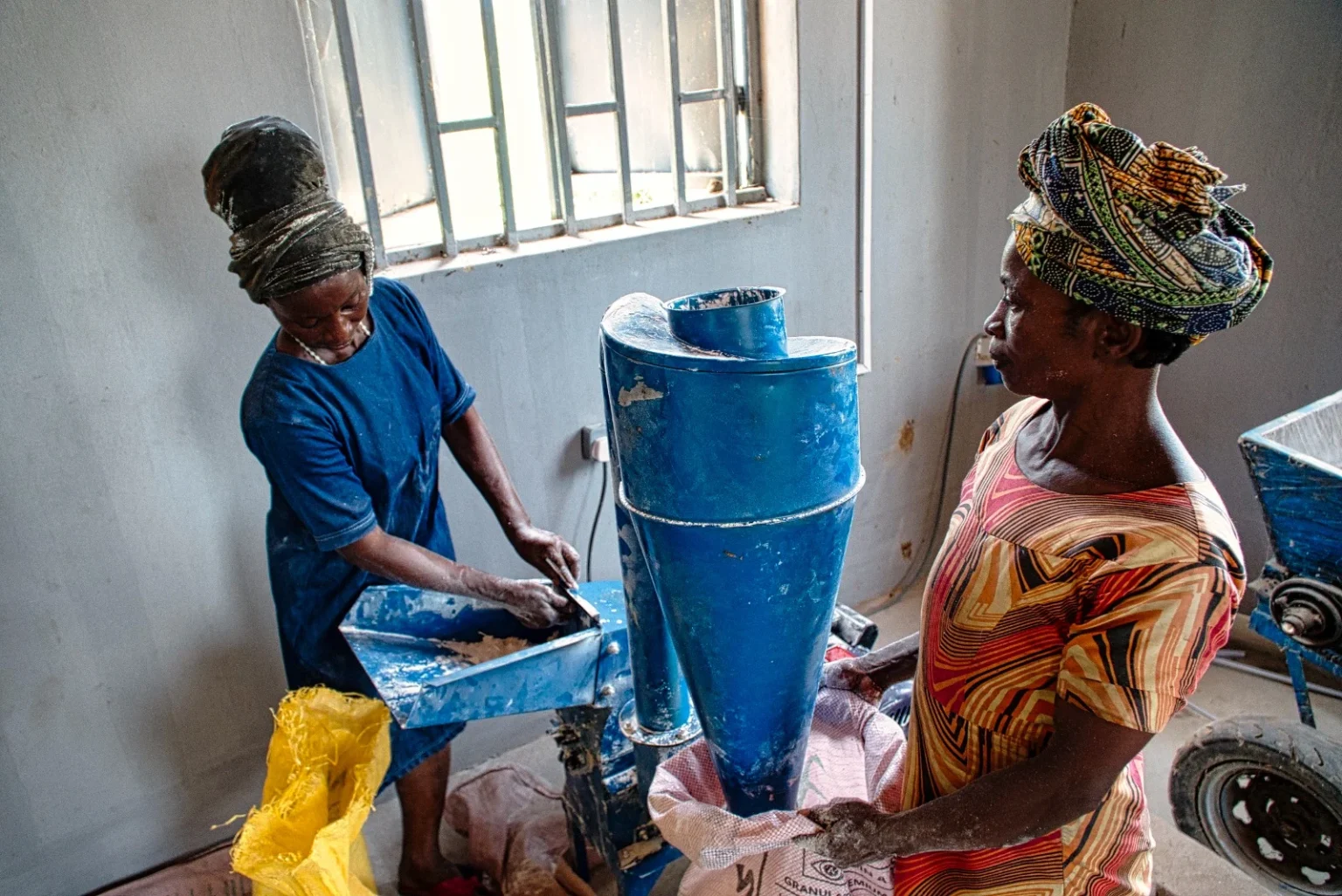
Women farmers across developing countries are helping reduce an estimated $10 billion in annual food losses by adopting renewable energy technologies, demonstrating how clean energy can transform agriculture, improve food security and boost rural livelihoods.
According to recent findings, the use of solar-powered irrigation systems, cold storage facilities, food processing equipment and other renewable energy solutions has significantly reduced the amount of food wasted after harvest. These technologies are enabling women farmers to preserve produce for longer periods, increase productivity and improve access to profitable markets.
Agriculture experts say post-harvest losses remain one of the biggest challenges facing food production, particularly in Africa and other developing regions where unreliable electricity and inadequate storage infrastructure result in large quantities of fruits, vegetables and other perishable crops spoiling before reaching consumers.
Renewable energy is emerging as a practical solution to this challenge. Solar-powered cold rooms and refrigeration systems allow farmers to store harvested crops safely, while clean energy-driven processing equipment helps convert raw agricultural produce into higher-value products with longer shelf lives. These innovations reduce waste while increasing farmers’ incomes.
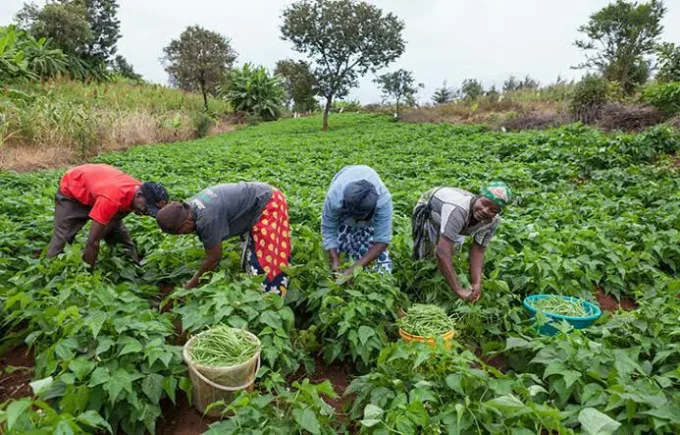
Women, who make up a significant share of the agricultural workforce in many countries, are among the biggest beneficiaries of the transition to renewable energy. Access to affordable clean energy has reduced dependence on expensive diesel-powered equipment and manual labour, enabling female farmers to expand production and improve efficiency.
Experts also note that renewable energy technologies are helping women-led farming businesses become more resilient to climate change. Solar-powered irrigation systems, for example, allow farmers to continue cultivating crops during periods of low rainfall while reducing reliance on fossil fuels that contribute to greenhouse gas emissions.
Beyond increasing food production, the adoption of clean energy is creating new economic opportunities in rural communities. Women entrepreneurs are establishing businesses that provide renewable energy services, operate community cold storage facilities and process agricultural products for local and regional markets. These activities are generating employment and strengthening local economies.
Development organisations have called for increased investment in renewable energy infrastructure, improved access to financing and targeted support programmes to enable more women farmers to adopt modern agricultural technologies. They argue that expanding clean energy access will not only reduce food losses but also contribute to poverty reduction, environmental sustainability and economic growth.
Experts believe governments have an important role to play by implementing policies that encourage investment in renewable energy for agriculture. They also recommend strengthening partnerships between financial institutions, development agencies and the private sector to make clean energy technologies more affordable for smallholder farmers.
As global demand for food continues to rise, reducing post-harvest losses has become an increasingly important priority. Improving storage, transportation and processing systems through renewable energy could significantly increase food availability without requiring additional farmland.
The growing success of women farmers adopting renewable energy demonstrates how innovation can address multiple challenges at once. By reducing food waste, increasing agricultural productivity and promoting environmental sustainability, clean energy is helping build more resilient food systems while empowering women to play a leading role in driving rural economic development.
SOURCE: PUNCH










Leave a comment