


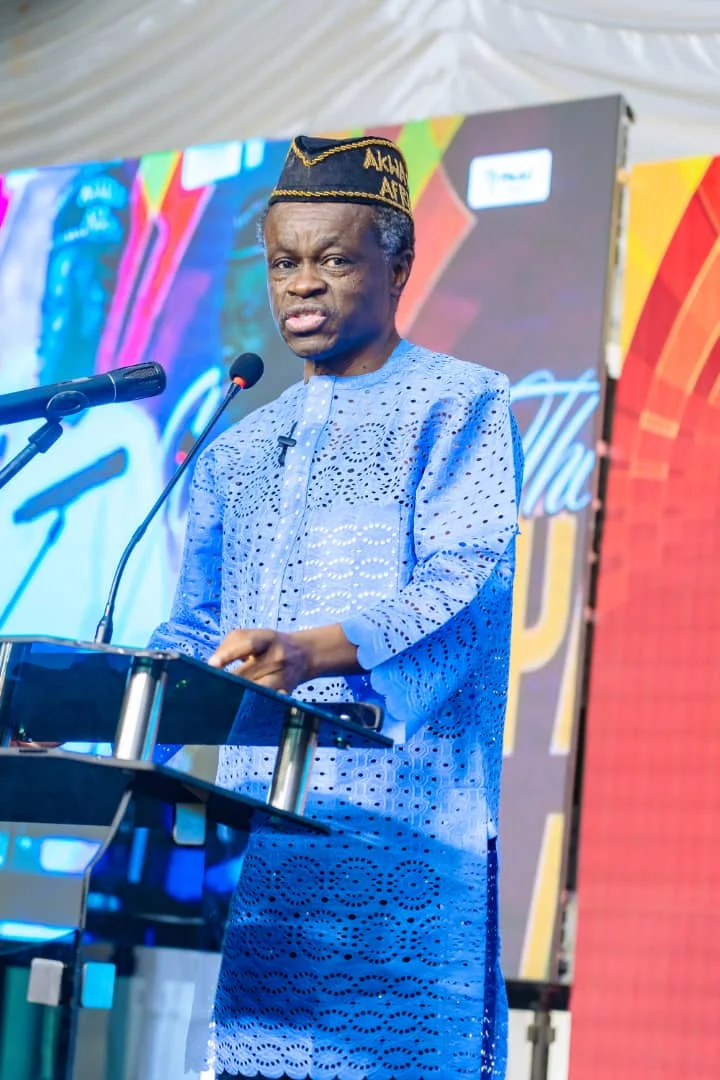
Kenyan lawyer and Pan-Africanist, Professor Patrick Loch Otieno Lumumba, has criticised African leaders who travel abroad for medical treatment, questioning their commitment to improving healthcare systems across the continent.
Lumumba expressed concern over the continued dependence of African political leaders on foreign hospitals, arguing that their preference for medical services outside Africa highlights the weaknesses of healthcare institutions within their own countries.
He maintained that African leaders should demonstrate confidence in domestic healthcare facilities by investing in and supporting local hospitals rather than routinely seeking specialised medical attention abroad.
His criticism has renewed discussions about medical tourism, leadership accountability and the urgent need to strengthen healthcare delivery across African countries.
Medical tourism remains a major challenge in several African nations, where inadequate hospital infrastructure, shortages of modern medical equipment, insufficient funding and the migration of qualified medical professionals have contributed to the growing number of patients travelling abroad.
Over the years, several African political leaders have attracted public criticism for seeking medical attention outside their countries.
Nigeria’s former President, Muhammadu Buhari, frequently travelled to the United Kingdom for medical treatment during his administration. His trips generated public debate about the state of Nigeria’s healthcare system and the government’s commitment to improving local medical facilities.
Similarly, former Zimbabwean President Robert Mugabe received medical treatment in Singapore, raising questions about the ability of African countries to provide specialised healthcare services for their leaders and citizens.
Critics argue that the preference for foreign hospitals among political office holders creates a contradiction, particularly when millions of ordinary citizens struggle to access affordable and quality medical services.
They maintain that leaders should prioritise investments in public hospitals, medical research, modern equipment and professional training to improve healthcare delivery.
Africa continues to face significant challenges in providing specialised medical services, including cancer treatment, cardiology, neurology, organ transplantation and other advanced procedures.
These challenges have encouraged patients with financial resources to seek treatment in countries with more developed healthcare infrastructure, resulting in substantial financial resources leaving the continent.
Healthcare advocates have repeatedly called on African governments to increase funding for the health sector, improve the welfare of medical workers and establish stronger partnerships with international medical institutions.
They also argue that improving working conditions would help reduce the migration of qualified doctors, nurses and other healthcare professionals to foreign countries.
Lumumba’s criticism highlights the importance of leadership commitment in addressing Africa’s healthcare challenges.
The debate goes beyond where political leaders receive medical attention, focusing instead on the responsibility of governments to establish healthcare systems that serve everyone, regardless of social or economic status.
For many observers, building reliable hospitals and strengthening medical institutions remain essential to reducing medical tourism and improving the quality of healthcare available to millions of Africans.









Leave a comment