


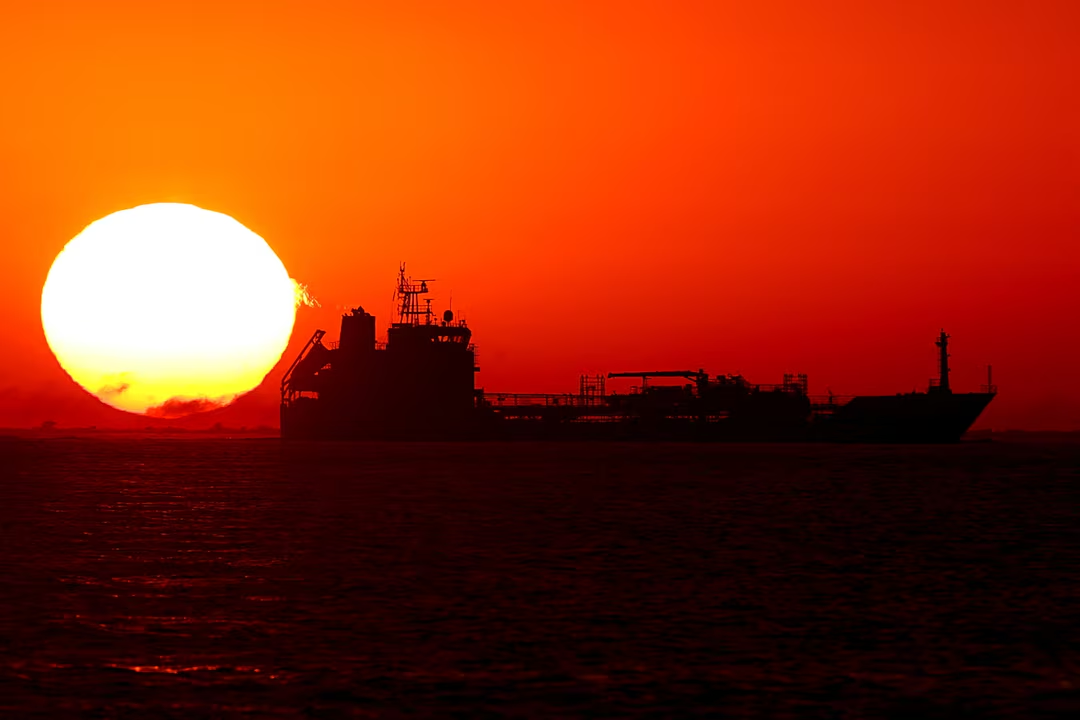
The cost of transporting crude oil has surged sharply as the US-Iran conflict and attacks on shipping routes disrupt tanker operations, adding to inflationary pressure on fuel, food and other consumer goods.
A supertanker, the Esteem Explorer, is expected to cost $81 million to transport about two million barrels of crude from the United States to Japan in late November. The same voyage cost an average of $9.1 million in 2025, highlighting the dramatic increase in freight expenses.
Shipping now accounts for more than 40 per cent of the value of US crude oil, based on a price of about $95 per barrel, compared with an average of 7 per cent last year. Energy economist Kenneth Medlock of Houston’s Baker Institute for Public Policy estimates that every $10 increase in shipping costs per barrel adds about 23 cents to the price of a gallon of gasoline.
Freight rates on routes from the Strait of Hormuz and the Red Sea to Asia reached about $34 per barrel this week as operators priced in the risk of attacks. Longer voyages and the diversion of vessels have also reduced tanker availability.
Related News
- Oil Prices Climb as Saudi Security Risks Raise Supply Concerns Despite Expected Russian Diesel Inflows https://vistaonenews.com/2026/10/14/oil-prices-climb-as-saudi-security-risks-raise-supply-concerns-despite-expected-russian-diesel-inflows/
- China’s Factory-Gate Inflation Accelerates to 5% as Rising Oil Prices Push Up Production Costs https://vistaonenews.com/2026/10/14/chinas-factory-gate-inflation-accelerates-to-5-as-rising-oil-prices-push-up-production-costs/
Tanker owners are benefiting from the disruption. Georgios Sakellariou of Signal Ocean said earnings had reached $1.3 million per vessel per day for some Persian Gulf-to-Asia round trips, compared with an average of $55,000 in 2025.
Michelle Wiese Bockmann of Windward described the earnings as exceptional, while Erik Broekhuizen of Poten & Partners warned that rates could fall quickly if crude supply begins to exceed demand.
Import-dependent economies, including India, the Philippines and Indonesia, face particular exposure to higher transport costs. The effects could spread through diesel, agricultural machinery, aviation fuel and the delivery of food and retail goods.








Leave a comment