


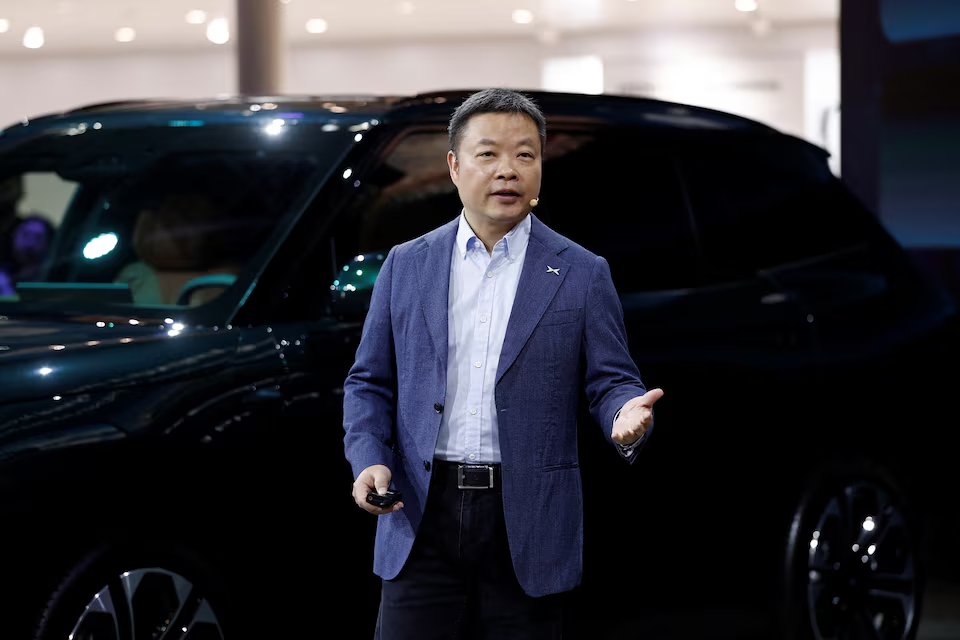
Chinese electric vehicle maker Xpeng plans to expand its manufacturing operations in Europe as it prepares for stricter local-content requirements and growing demand for its vehicles.
Yeqing Zheng, the company’s vice president, told Reuters at the Paris Motor Show that Xpeng is considering working with a European manufacturer to establish a new production facility or use an existing plant. A decision is expected within the coming months.
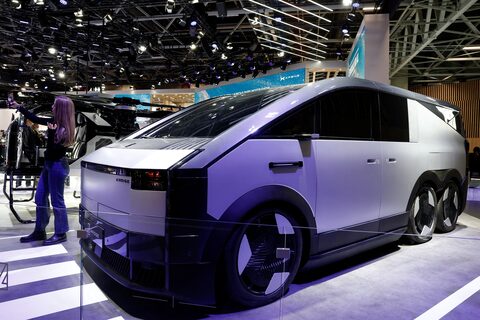
The company currently produces vehicles through contract manufacturer Magna at a facility in Austria. However, Zheng said the existing production capacity would not be sufficient to support Xpeng’s expected high-double-digit growth in Europe. The proposed expansion would focus on mid-range vehicles, with an emphasis on keeping production costs competitive.
Building a stronger local supply chain will also be important, particularly for batteries that meet Xpeng’s charging and energy-density requirements. The expansion reflects the company’s broader effort to strengthen its European presence while adapting to changing trade policies and manufacturing requirements.







Leave a comment