


The administration of US President Donald Trump imposed sanctions on the International Criminal Court (ICC) on Friday, escalating Washington’s dispute with the tribunal and risking tensions with European allies.
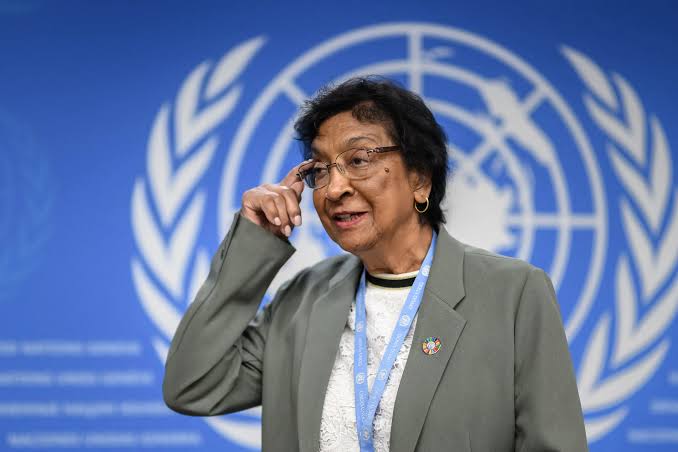
The announcement came hours after South African jurist Navi Pillay, a former ICC appeals judge, won the 2026 Nobel Peace Prize for her work in international criminal justice.
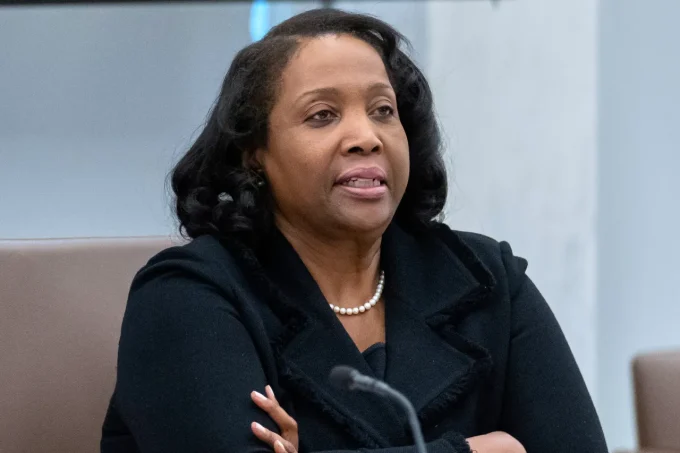
US Secretary of State Marco Rubio said the measures were intended to prevent the court from prosecuting Americans. He described the ICC as a “rogue court” and said Washington would restrict transactions with the institution to limit its resources and operations.
The United States has long opposed the ICC’s jurisdiction over American citizens. Washington has also criticised arrest warrants issued against Israeli officials, including Prime Minister Benjamin Netanyahu, and previously objected to the court’s investigation into alleged crimes by US personnel in Afghanistan. That investigation has since been closed.
Founded in 2002, the ICC prosecutes individuals accused of genocide, war crimes and crimes against humanity. It has 125 member countries, including all European Union states and most NATO members. The United States is not a member.
The Trump administration had previously sanctioned ICC officials during his first term, but those measures were lifted under former President Joe Biden. New sanctions against court officials were announced shortly after Trump returned to office in January 2025.
The latest action goes further by potentially affecting companies that provide services to the court. US sanctions can prevent American businesses from working with designated organisations and may disrupt banking, insurance and technology services.
ICC officials have reportedly been preparing for broader sanctions by moving away from Microsoft software and making alternative arrangements for banking and health insurance.
Rubio said Washington had delayed the measures to give the court and its member states time to address US concerns. He urged American allies that belong to the ICC to pressure the institution to change its approach, warning that further action could follow if negotiations failed.
The court’s registrar, Osvaldo Zavala Giler, had urged the European Union to prepare a blocking mechanism to protect European countries and businesses from the effects of US sanctions applied beyond American territory.
Pillay served on the ICC Appeals Chamber from 2003 to 2008. The Nobel committee said her award highlighted the importance of international justice at a time when judges and institutions of international law face political pressure.








Leave a comment