


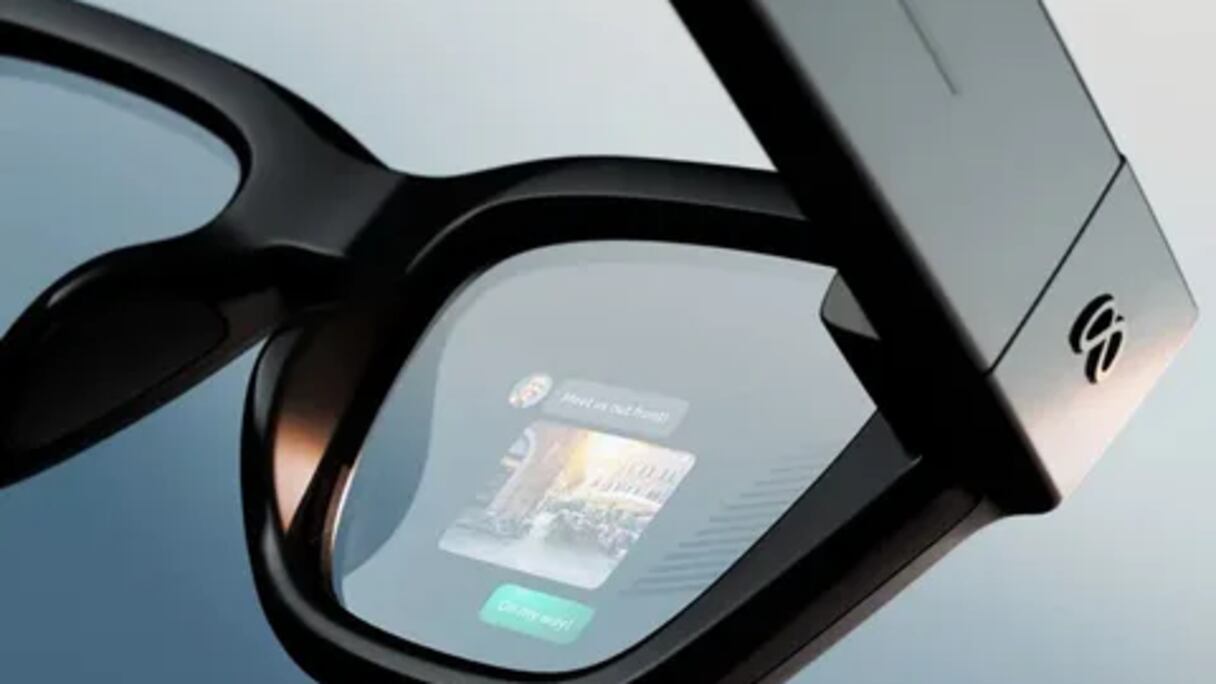
Governments, courts and businesses are tightening restrictions on camera equipped smart glasses as concerns grow that the devices could secretly record people, conversations and confidential information.
The technology, popularised by Meta’s Ray Ban smart glasses, is facing increased scrutiny in several countries as authorities examine whether existing privacy and security rules are sufficient.
Australia
Australia is considering restricting the use of camera equipped smart glasses in government workplaces because of privacy and security concerns. Public Service Minister Katy Gallagher has asked the Public Service Commission to advise on possible restrictions and exemptions.
Britain
Courts in England and Wales have prohibited the use of Meta smart glasses because of existing restrictions on photography and video recording in courtrooms. British cinemas are also introducing policies limiting or banning camera enabled smart glasses because of piracy concerns.
European Union
European privacy regulators and lawmakers are examining the wider use of smart glasses. The European Data Protection Board has commissioned a report on their social acceptability, while European Parliament member Veronika Cifrová Ostrihoňová has urged the European Commission to consider possible measures.
Norway
Norway plans to propose a temporary ban on AI glasses in places where people regularly gather, including parks, beaches, museums, shopping centres and public events. Oslo has already banned smart glasses in schools.
United States
New York’s Unified Court System banned smart glasses from all court facilities from July 20. The restrictions cover eyewear and headwear fitted with cameras, microphones, computers or other technology capable of recording audio or video. Visitors carrying such devices must hand them to court staff before entering.











Leave a comment