



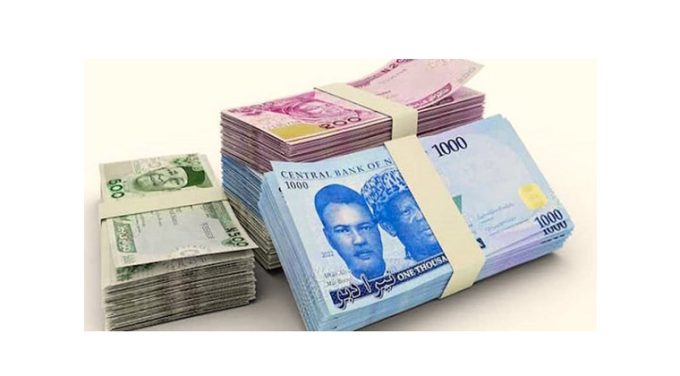
Nigeria’s domestic debt-service payments fell to N2.14 trillion in the second quarter of 2026, representing a 31.8 per cent decline from the N3.14 trillion recorded in the first quarter.
Data from the Debt Management Office showed that interest and rental payments accounted for N1.98 trillion of the second-quarter bill, while principal repayments stood at N164.28 billion. Federal Government bonds remained the largest component, with interest payments reaching N1.39 trillion during the period.
Interest payments on Nigerian Treasury Bills amounted to N488.80 billion, while FGN Sukuk rental payments stood at N92.29 billion.
Despite the quarterly reduction in debt servicing, Nigeria’s overall public debt continued to rise. The DMO reported that total public debt increased from N159.35 trillion at the end of March to N166.79 trillion by June 30.
Domestic debt accounted for N91.59 trillion, representing 54.91 per cent of the total, while external debt stood at N75.20 trillion.
The figures highlight the distinction between quarterly debt-service payments and the underlying size of the debt stock. Changes in repayment schedules, maturities and refinancing arrangements can cause debt-service costs to fluctuate between quarters even when total borrowing continues to increase.





Leave a comment