


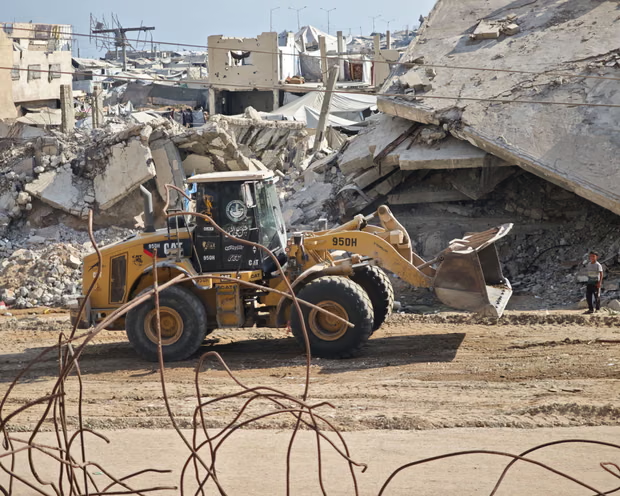
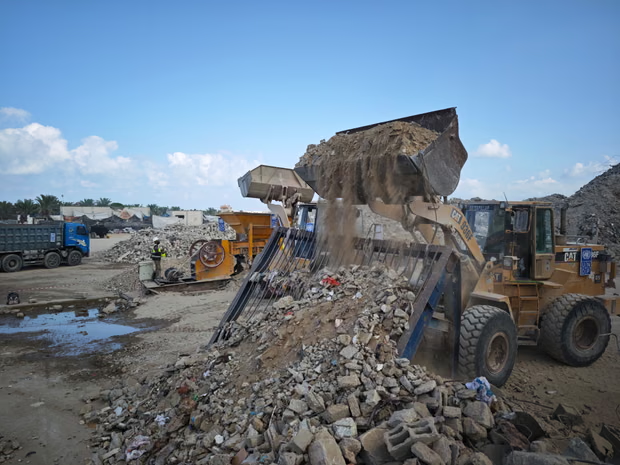
Gaza’s vast destruction has left aid and recovery teams facing a hazardous and painstaking task as they begin clearing an estimated 61 million tonnes of rubble from devastated communities.
The United Nations estimates that removing most of the debris could take between seven and 10 years and cost billions of dollars, making the operation one of the largest post-war clearance efforts in modern history.
Workers face multiple dangers, including unstable structures, damaged infrastructure and unexploded ordnance buried beneath collapsed buildings. The rubble also contains the remains of people who have not yet been recovered.
Estimates cited by the UN Development Programme suggest that between 8,000 and 10,000 bodies could still be trapped beneath the ruins. Recovery teams are therefore required to balance the urgent need to reopen roads and restore communities with the need to locate and respectfully recover human remains.

The scale of destruction is particularly evident in Gaza City, where roads once filled with businesses, homes and traffic remain blocked by debris. Damaged sewage and drainage systems have also created additional risks for residents and displaced families.
The clearance effort is expected to be a major part of Gaza’s long-term recovery, with humanitarian agencies also working on the identification and proper burial of recovered remains.









Leave a comment