


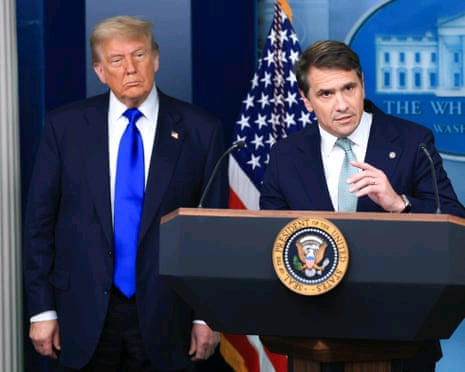
US President Donald Trump has faced growing resistance from officials and institutions that include people he appointed, highlighting tensions between his political agenda and the independence of government institutions.
The latest dispute followed a Supreme Court decision blocking the administration’s attempt to introduce new restrictions on mail-in voting ahead of the US midterm elections. Trump criticised the justices he had appointed, saying they were no longer the people he had selected for the court.
Three justices appointed by Trump, Neil Gorsuch, Brett Kavanaugh and Amy Coney Barrett, did not dissent from the ruling. Justices Clarence Thomas and Samuel Alito, whom Trump praised, disagreed with the majority.
The dispute has renewed debate over the independence of officials appointed by presidents and whether political loyalty should influence their decisions. The Supreme Court is constitutionally independent, meaning judges are not required to support the policies of the president who nominated them.
Trump has also faced disagreement over economic policy, including from the Federal Reserve, which recently raised its benchmark interest rate despite his opposition to higher rates.
The developments have placed renewed attention on the checks and balances between the US presidency, the judiciary and independent institutions.






Leave a comment