


By Benson Daniel
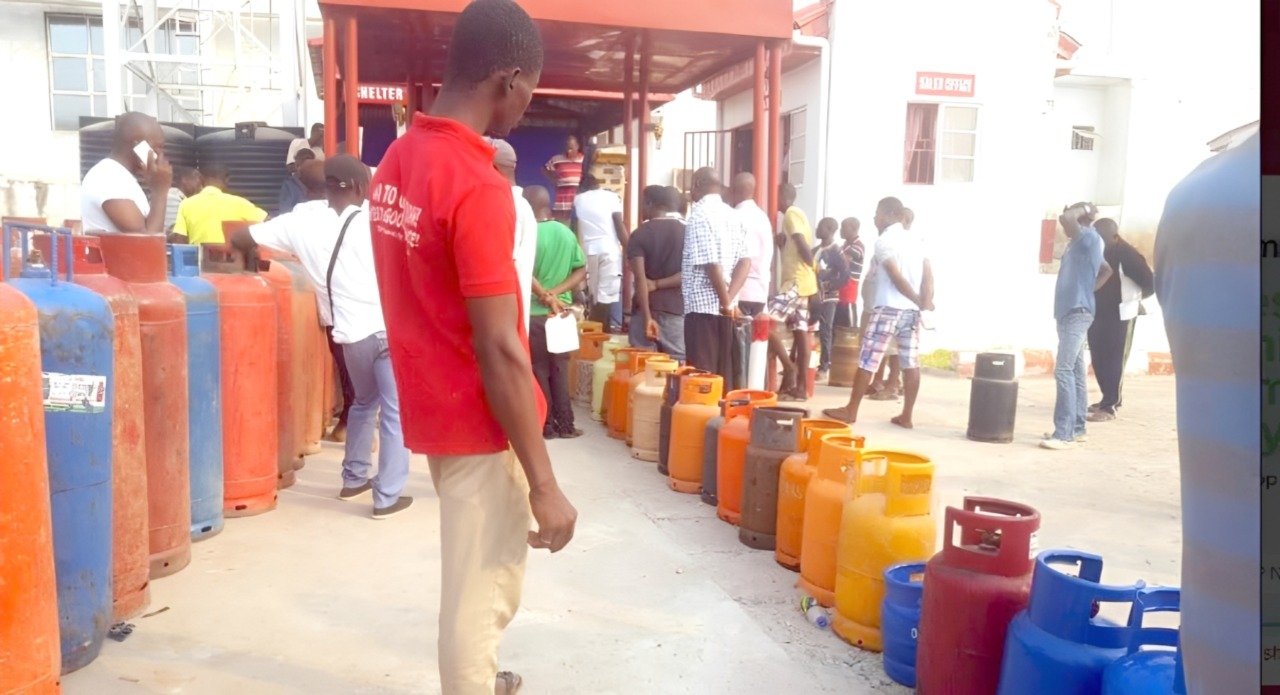
The Federal Government has expressed optimism that the price of liquefied petroleum gas (LPG), commonly known as cooking gas, will decline as ongoing reforms and increased domestic production begin to improve supply across the country.
Government officials said recent investments in gas processing infrastructure, expanded production capacity, and policies aimed at boosting local availability of LPG are expected to ease supply constraints that have contributed to high prices in recent years. The administration believes these measures will make cooking gas more affordable for households and businesses.
According to the government, efforts are also underway to strengthen the domestic gas value chain by encouraging private sector participation, improving distribution networks, and reducing logistical bottlenecks that increase the cost of delivering LPG to consumers.
Industry stakeholders have welcomed the projection, noting that Nigeria possesses one of the largest natural gas reserves in Africa but has yet to fully harness its potential to meet domestic energy demand. They argue that increasing local production and reducing dependence on imported LPG will help stabilize prices and improve energy security.
Analysts say lower cooking gas prices could encourage more households to switch from traditional fuels such as firewood and charcoal to cleaner alternatives, supporting the government’s clean energy agenda. Increased LPG adoption is also expected to reduce deforestation, improve public health by lowering indoor air pollution, and contribute to environmental sustainability.
Despite the positive outlook, experts cautioned that sustained price reductions will depend on stable gas supply, efficient transportation infrastructure, favorable foreign exchange conditions, and continued investment in storage and distribution facilities. They also stressed the importance of policy consistency to encourage long-term private sector investment.
The Federal Government has repeatedly identified natural gas as a key driver of Nigeria’s energy transition and economic diversification strategy. Through initiatives designed to expand gas utilization, authorities aim to improve energy access, promote industrial development, and reduce the country’s reliance on more expensive and environmentally harmful fuels.
If the current reforms are successfully implemented, consumers could begin to experience gradual relief in cooking gas prices, providing much-needed support to households facing rising living costs while advancing Nigeria’s transition to cleaner and more sustainable sources of energy.










Leave a comment