


By Benson Daniel
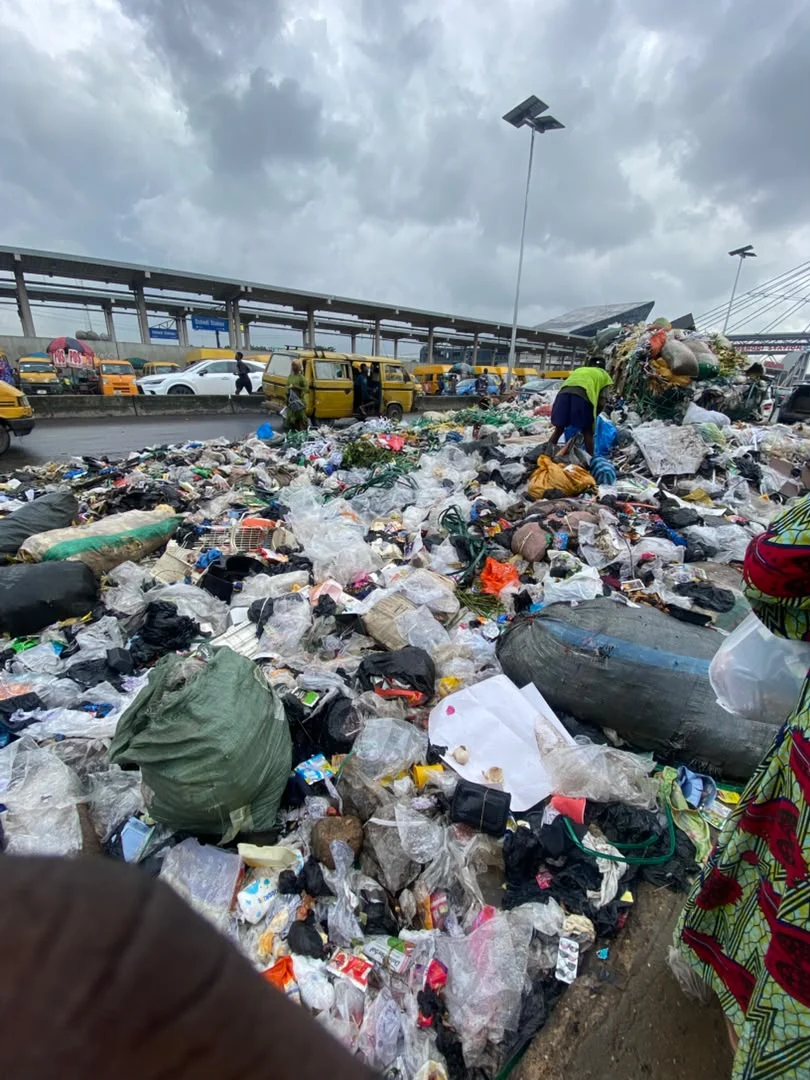
Lagos State is grappling with a worsening waste management crisis as operational challenges at major dumpsites continue to disrupt refuse evacuation across the state, leaving piles of uncollected waste in several communities and raising fresh concerns over environmental sanitation and public health.
The disruption has significantly affected waste collection operations, with many refuse collection vehicles reportedly experiencing delays in accessing landfill sites to dispose of collected waste. The resulting backlog has led to overflowing refuse bins and growing heaps of garbage along major roads, residential areas and commercial districts.
Environmental experts say the situation poses serious health and environmental risks, particularly during the rainy season. Blocked drainage channels caused by improperly disposed waste increase the likelihood of flooding, while decomposing refuse creates breeding grounds for disease carrying insects and rodents, exposing residents to illnesses such as cholera, typhoid and other sanitation related diseases.
Private Sector Participation operators responsible for household waste collection have also expressed concern over the growing operational difficulties. According to industry stakeholders, long waiting times at disposal facilities have reduced the number of daily collection trips, making it increasingly difficult to keep pace with the volume of waste generated in the state’s rapidly expanding urban communities.
Analysts believe the current challenge highlights the urgent need for greater investment in modern waste disposal infrastructure, improved landfill management and expanded recycling initiatives. They argue that as Lagos continues to experience rapid population growth and urbanisation, the existing waste management system requires significant upgrades to meet increasing demand.
In response, the Lagos State Government has intensified efforts to improve refuse evacuation through the deployment of additional waste collection equipment, expansion of transfer loading facilities and stricter enforcement against indiscriminate waste disposal. Authorities have also reaffirmed their commitment to promoting recycling and sustainable environmental practices as part of broader reforms aimed at strengthening the state’s sanitation system.
Environmental advocates have welcomed the government’s intervention but maintain that lasting solutions will depend on sustained investment, effective policy implementation and stronger collaboration between government agencies, waste management operators and residents. They also stressed the importance of public participation in proper waste disposal to complement official efforts.
As the state works to address the immediate challenges, experts say improving waste management infrastructure remains critical to safeguarding public health, protecting the environment and ensuring Lagos can effectively manage the growing volume of waste generated by one of Africa’s largest and fastest growing cities.







Leave a comment