


By Benson Daniel
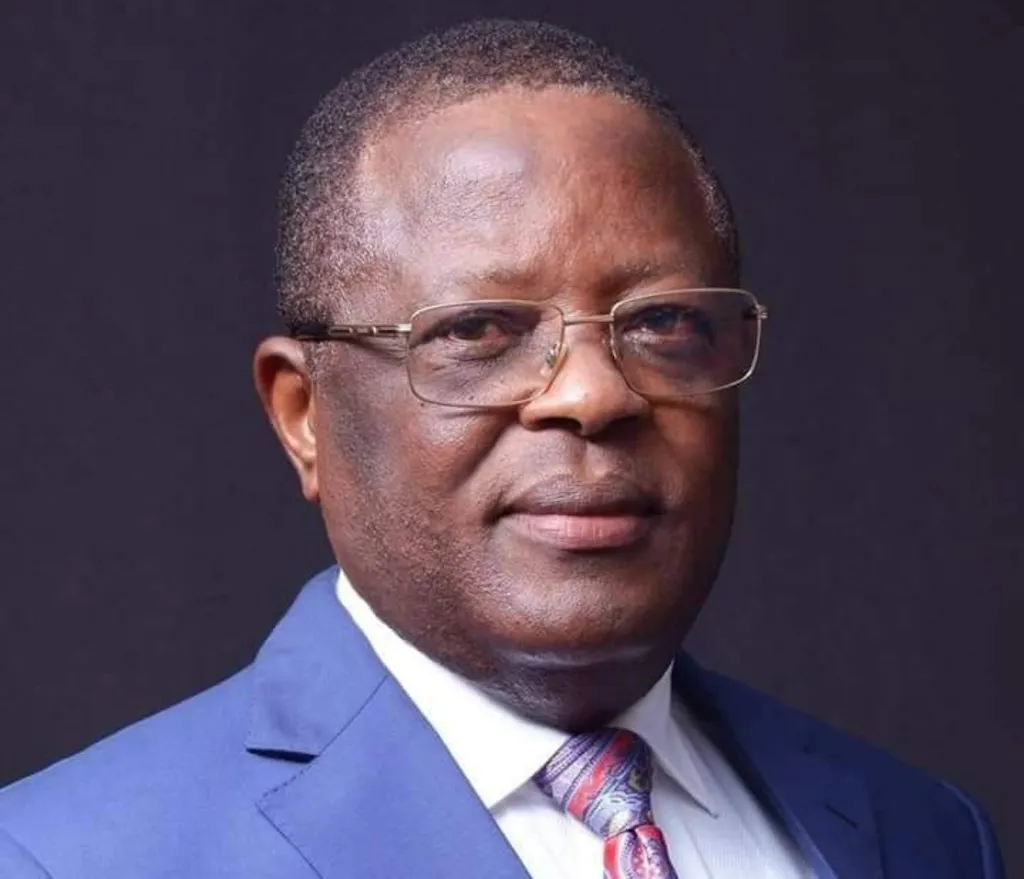
The Minister of Works, David Umahi, has continued to attract both praise and criticism over the Federal Government’s ongoing infrastructure drive, with supporters insisting that his record in office deserves a fair assessment based on measurable achievements rather than political sentiments.
Observers argue that while no public official is immune from scrutiny, Umahi’s stewardship of the Ministry of Works has been marked by an aggressive push to revive and complete major road projects across the country. They point to the renewed pace of work on several federal highways and bridges, many of which had suffered years of neglect, as evidence of a deliberate effort to improve Nigeria’s transport infrastructure.
Supporters also credit the minister with introducing stricter monitoring of contractors and encouraging the use of more durable construction methods on strategic roads. According to them, these measures are aimed at reducing the frequency of road failures and ensuring better value for public funds.
However, critics contend that despite visible progress on some projects, many road users continue to experience delays, abandoned sections and deteriorating conditions on key highways. They argue that the pace of implementation remains slower than expected in some parts of the country and have called for greater transparency in project execution and funding.
Analysts note that managing Nigeria’s vast network of federal roads presents enormous financial and logistical challenges, particularly amid rising construction costs, inflation and limited budgetary resources. They maintain that evaluating the ministry’s performance should take into account these realities alongside the outcomes already recorded.
Stakeholders have therefore urged Nigerians to assess the minister’s performance through objective indicators, including the number of completed projects, quality of construction and the long term impact of infrastructure investments on economic growth and national connectivity.
As the Federal Government continues its infrastructure development agenda, the debate surrounding Umahi’s leadership reflects the broader public expectation for accountability, efficient project delivery and prudent management of public resources. Ultimately, many believe that the success or otherwise of the minister’s tenure will be judged not by public opinion alone, but by the lasting impact of the roads and bridges delivered under his watch.








Leave a comment